 how-to
7 Signs Affordable Luxury Fashion Is Worth Your Money
Last Updated: October 27, 2026
Quick Summary
Affordable luxury fashion is clothing that delivers high-end materials, careful construction, and lasting design at a price well below traditional designer labels. It is a deliberate middle ground, not cheap fashion with a fancy tag, so judge it by fabric weight, clean seams, and a cut that holds its shape.
- Ask whether the fabric feels substantial, the seams are tight and finished, and you would wear it 30 times.
- Cost per wear is the price of a garment divided by the number of times you wear it.
- A $180 blazer worn about 200 times costs roughly $0.90 per wear.
- Budget $20-$60 for basic alterations so a blazer fits your shoulders and waist.
- Score brands 0 to 2 on six criteria instead of relying on gut feeling.
Table of Contents
- What Affordable Luxury Fashion Actually Means
- Affordable Luxury vs. Fast Fashion: What Separates Them
- How to Evaluate Garment Quality Before You Buy
- How to Look Luxurious on a Budget Without Compromising Quality
- Affordable Luxury Clothing: What to Look for in a Wardrobe Staple
- How to Vet Affordable Luxury Fashion Brands for Real Value
- Building a Purpose-Driven Wardrobe With Shea Marne Luxury Collection
- Frequently Asked Questions
What Affordable Luxury Fashion Actually Means
Affordable luxury fashion is clothing that delivers high-end materials, careful construction, and lasting design at a price that sits well below traditional designer labels. It is not cheap fashion with a fancy tag. It is a deliberate middle ground.
The term gets used loosely. That is why a clear definition matters before you spend a dollar.
The Price and Quality Criteria That Define the Category
A useful test has two parts. First, consider price. Second, consider quality: the piece should show real fabric weight, clean seams, and a cut that holds its shape.
Ask three questions of any garment:
- Does the fabric feel substantial in your hand?
- Are the seams tight, straight, and finished on the inside?
- Would you wear it 30 times without it falling apart?
Affordable Luxury vs. Fast Fashion: What Separates Them
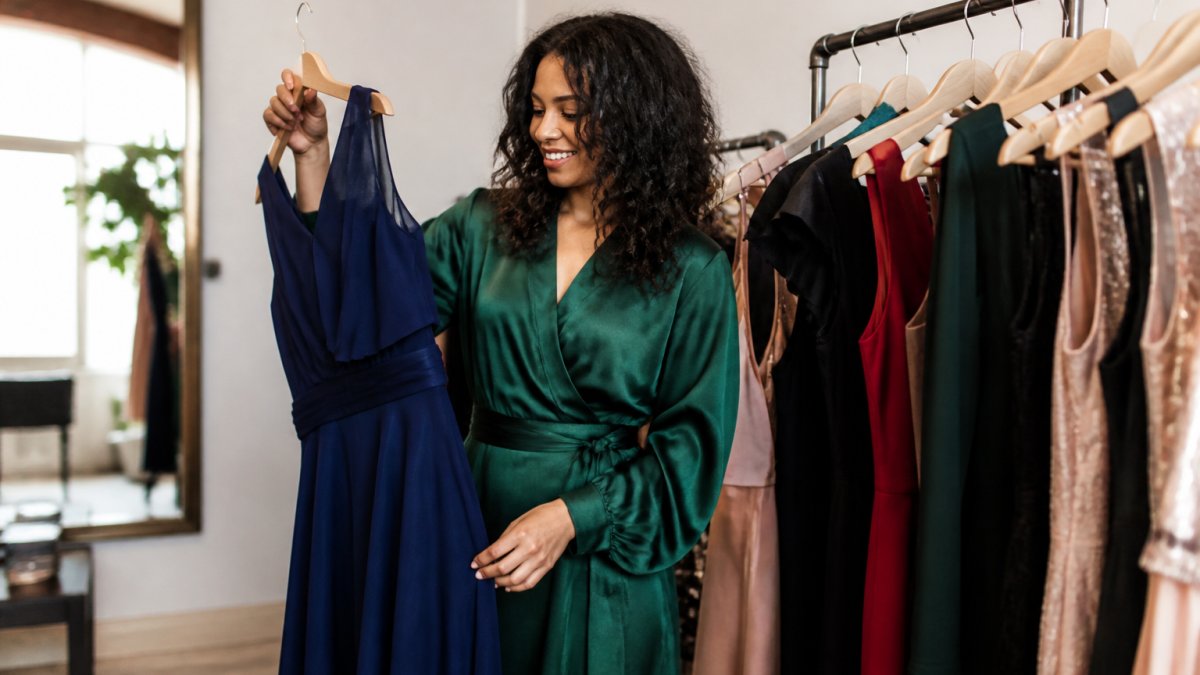
There is also a values angle. You may want to ask where a garment came from and who made it. For readers comparing affordable luxury to cheaper options, this guide to affordable formal wedding guest dresses offers concrete guidance. Verify production and sourcing claims rather than taking them at face value. The Federal Trade Commission's guidance on environmental marketing claims explains what brands can and cannot say about sustainability, which helps you spot vague greenwashing.
How to Evaluate Garment Quality Before You Buy
Quality evaluation is a skill. Turn the garment inside out. Check the seams, the fabric, and the hardware.
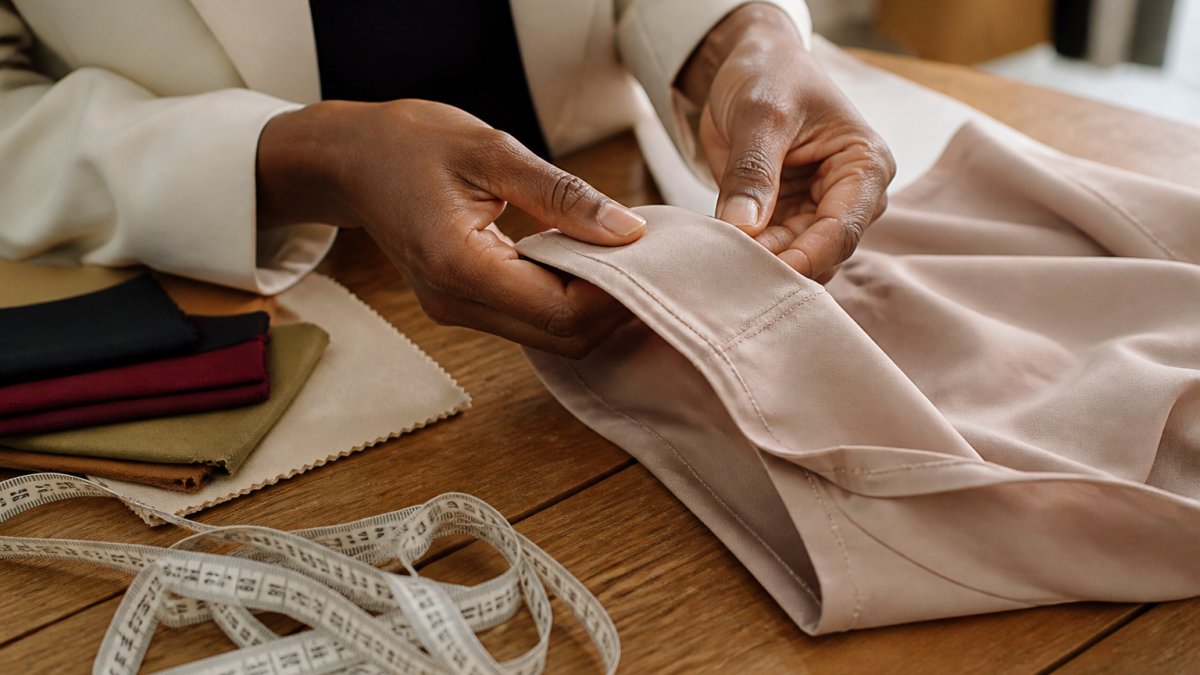
Start with these checks:
- Seams: Look for tight, even stitching.
- Fabric: Natural fibers like cotton, linen, silk, and wool tend to breathe and last. Blends can work, but very thin synthetics often pill fast.
- Lining: A lined garment holds its shape better and feels more polished against the skin.
- Hardware: Buttons, zippers, and clasps should feel solid, not flimsy.
- Finish: Trim any loose threads? That is a warning sign, not a small detail.
Fabric, Construction, and the Cost-Per-Wear Test
Cost per wear is the price of a garment divided by the number of times you wear it. Cost per wear can help you think about price.
Here is how to run the math on any purchase:
| Check | What to Look For | Why It Matters |
|---|---|---|
| Fabric weight | Substantial, not see-through | Lasts longer, drapes better |
| Seam finish | Tight, straight, clean inside | Prevents splitting and fraying |
| Lining | Present on structured pieces | Holds shape, feels polished |
| Hardware | Solid buttons and smooth zippers | Survives daily wear |
| Versatility | Works with 3+ outfits | Lowers cost per wear |
How to Look Luxurious on a Budget Without Compromising Quality
Looking luxurious on a budget is less about spending more and more about choosing pieces that suit your style. The practical version of this advice depends on your actual budget.
Budget Tiers and What They Realistically Buy
- Under $150 total: Focus on one or two versatile pieces, a quality knit and a well-cut pair of trousers, plus careful styling.
- $150-$400: You can add a blazer or a lined dress and still keep a tight color palette. Prioritize fabric weight over trend relevance.
- $400-$800: This is where a small capsule becomes realistic, three to five pieces that mix into a dozen outfits. Cost-per-wear math starts working in your favor.
- $800+: Invest in outerwear, tailoring, and one handcrafted accessory. These are the pieces that carry the most visual weight per dollar.
The Mechanics of Looking Expensive
Luxury reads through fit, fabric, and restraint, not logos. A few habits can help you plan your wardrobe:
- Tailor the fit. A $120 blazer that fits your shoulders and is nipped at the waist looks more expensive than a $400 one that hangs loose. Budget $20-$60 for basic alterations.
- Stick to a tight color palette. Two neutrals plus one accent lets every piece mix, which multiplies outfit count without buying more.
- Choose classic silhouettes over loud trends. A straight-leg trouser and a clean crewneck outlast a seasonal cut.
- Invest where you wear most. Put money into the pieces you wear weekly; save on occasion wear.
- Buy one strong accessory instead of five weak ones. A single handcrafted piece elevates simple outfits more than a pile of inexpensive ones.
- Care for what you own. Proper washing, storage, and minor repairs extend wear and keep pieces looking sharp, which directly lowers cost per wear.
A Worked Capsule Example
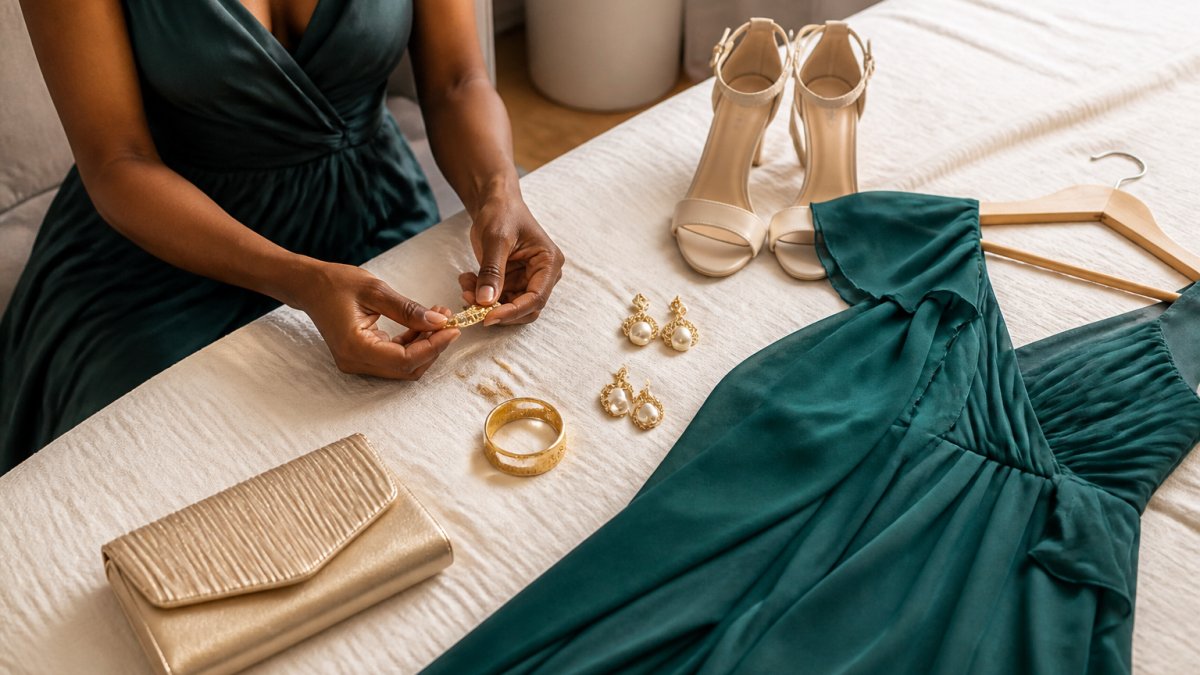
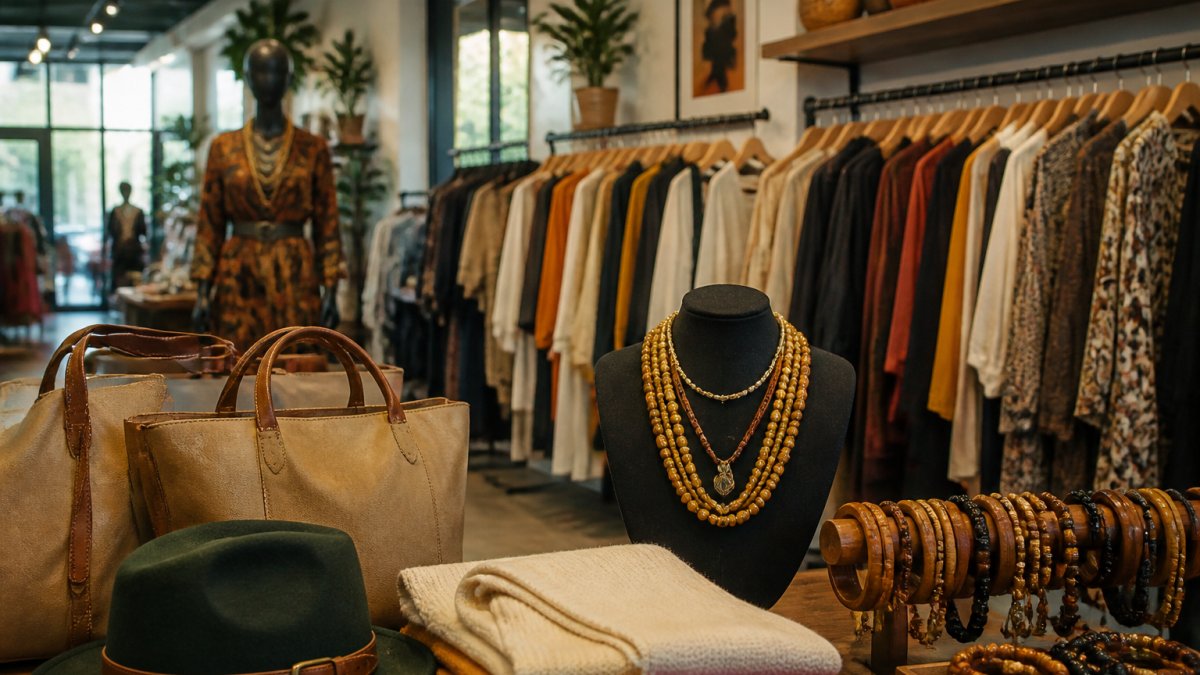
A reader who wants to see this in person can explore the boutique shopping experience to understand what a curated, in-person visit offers before making the trip.
Affordable Luxury Clothing: What to Look for in a Wardrobe Staple
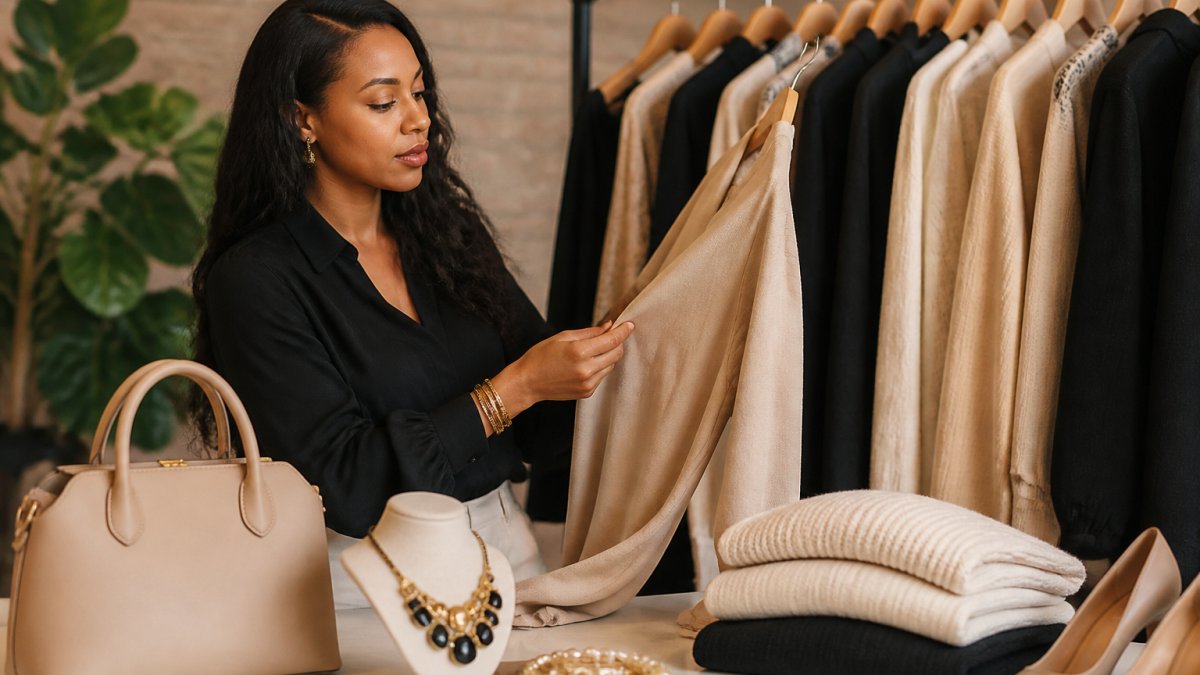
A wardrobe staple is a piece you reach for again and again. When choosing one, consider traits such as neutral colors and clean lines.
Build your core around these:
- A well-cut blazer that works for work and evenings
- A dress with a timeless silhouette you can dress up or down
- A quality pair of trousers that hold their crease
- One statement piece, like handcrafted jewelry, to elevate simple outfits
How to Vet Affordable Luxury Fashion Brands for Real Value
Vetting a brand takes skepticism and a repeatable framework. The goal is to assess a brand's claims before you spend money, and to do it with evidence, not vibes. A curated list of Black-owned fashion boutiques gives you trustworthy places to shop.
Start With Price Benchmarks by Category
- Tops and blouses: roughly $75-$200. Below $50, expect thin fabric or unfinished seams; above $250, you are usually paying for a designer name.
- Knitwear: roughly $100-$250. Merino and cashmere blends should feel dense, not airy, at these prices.
- Trousers and denim: roughly $100-$250. Look for full-length seams, reinforced belt loops, and fabric with visible weight.
- Dresses: roughly $150-$350. Lining on structured styles is a baseline expectation in this band.
- Outerwear: roughly $250-$600. This is where construction quality separates real value from marketing.
- Handcrafted jewelry: roughly $50-$300, driven by material (sterling silver, gold fill, natural stone) rather than brand markup.
Run the Cost-Per-Wear Math Before You Commit
Cost per wear is the price of a garment divided by the number of times you realistically wear it. It is the single most useful number in this category because it turns a vague "is it worth it?" question into arithmetic.
Worked examples:
- A $180 blazer worn twice a week for two years (about 200 wears) costs roughly $0.90 per wear.
- A $60 fast-fashion blazer worn 15 times before the lining tears costs $4.00 per wear, and you still need a replacement.
- A $240 pair of trousers worn weekly for three years (about 150 wears) costs about $1.60 per wear.
- A $40 trend top worn three times costs $13.33 per wear.
Verify Fabric, Construction, and Sourcing Claims
Brands describe quality in adjectives. Your job is to convert those adjectives into checkable facts.
- Fabric composition: Look for a full fiber breakdown with percentages, not just "premium blend."
- Construction details: Product pages that show inside seams, lining, and hardware close-ups are a positive signal. Pages that only show styled model shots are not.
- Sourcing and labor claims: Vague phrases like "ethically made" mean little without specifics, factory names, country of manufacture, certifications, or supplier disclosures. The Federal Trade Commission's guidance on environmental marketing claims explains what brands can and cannot legally claim, which helps you spot greenwashing.
- Reviews: Search reviews for durability language, "pilled after two washes," "seam split," "held up for a year", rather than fit or appearance comments.
- Return policy: A clear, no-questions return window signals confidence in fit and quality. A restrictive policy on a high-priced item is a warning.
Use a Scored Checklist, Not a Gut Feeling
Score each brand from 0 to 2 on six criteria (0 = missing, 1 = partial, 2 = clear and specific):
- Fabric composition disclosed with percentages
- Construction shown up close (seams, lining, hardware)
- Sourcing or labor claims backed by specifics
- Reviews mention durability, not just looks
- Sizing and fit details are specific and inclusive
- Return policy is clear and reasonable
Building a Purpose-Driven Wardrobe With Shea Marne Luxury Collection
A purpose-driven wardrobe means every piece you buy reflects both your style and your values. That is the idea behind Shea Marne Luxury Collection. We are a Black-owned boutique built on timeless elegance, cultural pride, and inclusive sizing that celebrates every body.
Our approach blends couture clothing and handcrafted statement jewelry with a commitment to social enterprise and philanthropy. When you shop with us, you are supporting a brand that ties style to purpose. Visit our African clothing boutique in Maryland for practical details on shopping the collection. You can read the full Shea Marne story of culture and community to see what drives the collection.
Frequently Asked Questions
What does affordable luxury mean in fashion?
Affordable luxury fashion is a term used to describe fashion positioned as luxurious while remaining accessible. The category is defined by quality-to-price ratio rather than a specific dollar figure.
How can you tell if affordable luxury clothing is good quality?
Check three things: fabric, construction, and finish. Look at the fiber content label, inspect seams for tight, even stitching, and check that patterns match at the seams and buttons are securely attached. Cost per wear is one way to consider value: divide the price by the number of times you realistically wear it.
Is affordable luxury clothing worth the price compared to fast fashion?
Whether it is worth the price depends on the pieces you choose and how often you wear them. Cost per wear is one way to consider value: divide the price by the number of times you realistically wear an item.
How do I verify that a brand's ethical and philanthropic claims are real?
Look for specifics rather than slogans. You can ask a brand about its charitable giving and labor practices before making a purchase.
The real challenge with affordable luxury is not finding pretty clothes. It is telling genuine quality apart from a good sales pitch. That takes a checklist, a little patience, and a brand you can trust.
Shea Marne Luxury Collection makes that easier with inclusive sizing, couture clothing, and handcrafted statement jewelry, all backed by a purpose-driven mission. Get started with Shea Marne Luxury Collection and build a wardrobe that feels as good as it looks.