 blog
9 Best Black-Owned Luxury Jewelry Brands to Shop
Last Updated: October 30, 2026
Quick Summary
Black owned luxury jewelry is best judged by materials and craftsmanship rather than labels. Solid gold or sterling silver, genuine stones, and clean finishing mark fine jewelry, and shoppers should verify ownership and ask about sourcing before buying.
- Fine jewelry typically means real metals and stones, such as gold, sterling silver and genuine gemstones.
- Ask for the metal type, stone type and purity in writing on the receipt.
- Ownership can be verified by checking a brand's founder identity and company history in public materials.
- Confirm shipping, return window and warranty terms before checkout, since fine jewelry often has shorter return windows.
- Check current prices directly with the brand, since pricing depends on the piece and order.
Table of Contents
- What Makes Jewelry Luxury or Fine? How This List Defines It
- How We Verified Black Ownership and Selected Brands
- Best Black-Owned Fine Jewelry Brands
- Black-Owned Statement Jewelry Designers Worth Knowing
- Black-Owned Ethical Jewelry Brands and How to Check Their Sourcing
- Black-Owned Jewelry Brands for Men
- Price Ranges, Materials, and Care: Getting Real Value from Luxury Jewelry
- Choosing Your Next Piece: Where to Start Shopping
- Frequently Asked Questions
What Makes Jewelry Luxury or Fine? How This List Defines It
Black-owned luxury jewelry is a growing corner of the American market, and shoppers who want to support black owned luxury jewelry often struggle to tell a true fine-jewelry house from a costume piece with a good story.
Luxury jewelry is best defined by how a piece is made and what it is made of, not by its label.
Our definition rests on three questions:
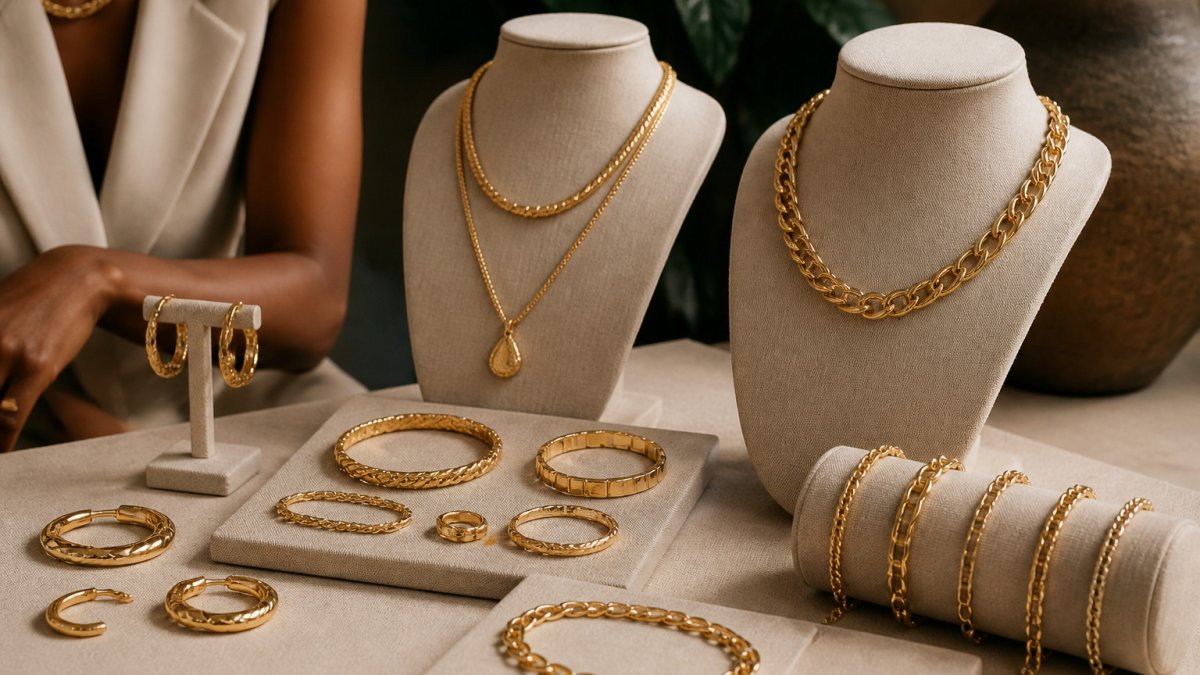
- What is the base metal? Solid gold or sterling silver is a clear marker of fine jewelry. Gold-plated brass is not.
- What are the stones? Genuine gemstones and pearls justify higher prices. Synthetic stones can still be well made, but they should be labeled as such.
- How is it finished? Clean settings, secure clasps and even plating point to skilled craftsmanship.
A common mistake is judging a piece by how heavy or bold it looks. Statement jewelry can be large and lightweight, and some of the most striking designs use aluminum or resin.
How We Verified Black Ownership and Selected Brands
Ownership is the first filter in this list, and it is also the easiest to misstate.
We then looked at the product itself. Each brand had to show a clear point of view in its designs, whether through a consistent signature style, a stated use of materials or a documented production approach.
Verification has limits. Public information can be incomplete or out of date, and ownership can change. If you plan a large purchase, ask the brand directly about its founder, its production and its return policy.
Best Black-Owned Fine Jewelry Brands
Fine jewelry rewards careful shopping. Look for solid metals, genuine stones and a clear description of how each piece is made.
Our top pick for an elegant, culturally rooted boutique experience in black owned luxury jewelry is Shea Marne Luxury Collection.
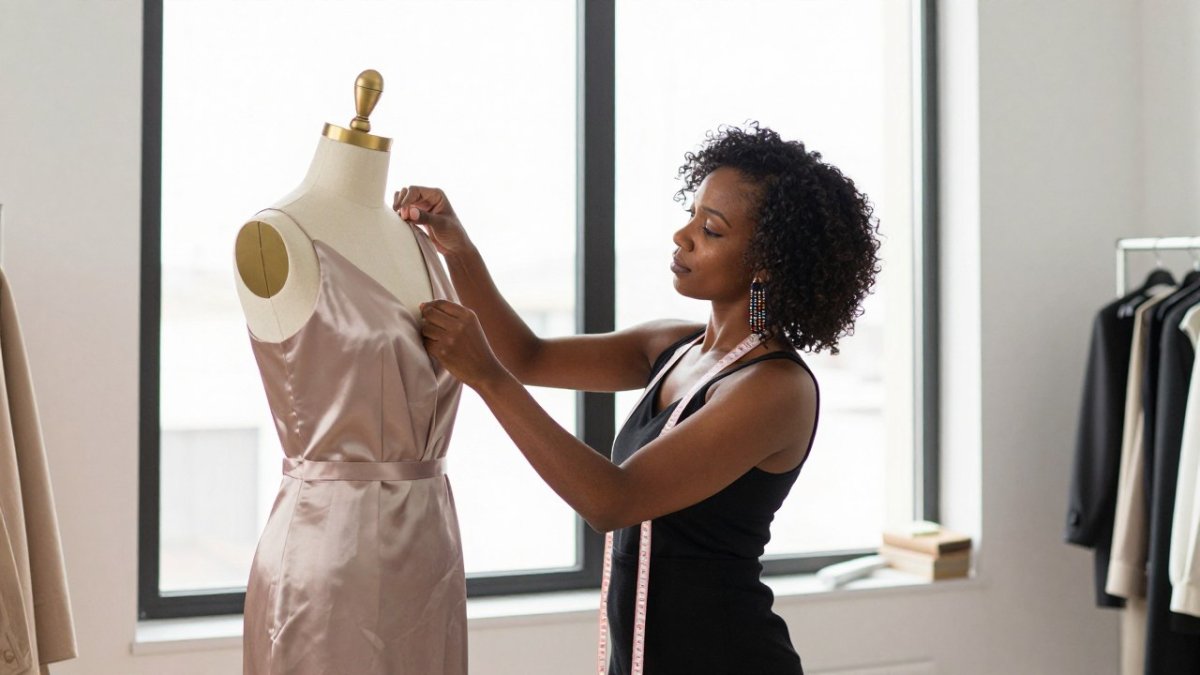
Shea Marne offers couture clothing and handcrafted statement jewelry, which shoppers can select together for occasions such as weddings and professional events.
Pricing depends on the piece, quantity and delivery, so check the brand's website for current prices or request a quote before you decide.
Black-Owned Statement Jewelry Designers Worth Knowing
Statement jewelry is where personal style does the most work.
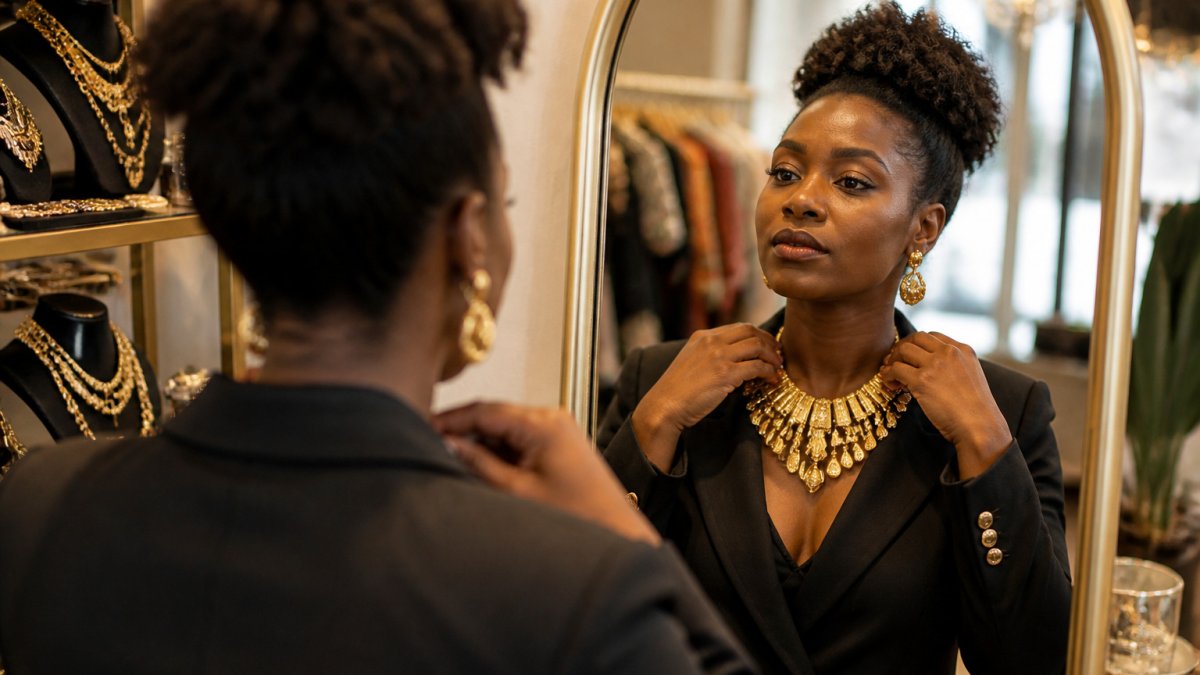
When you evaluate a statement piece, handle it, check the clasp and ask how it is finished. Comfort over several hours is a better test than how the piece looks on a shelf.
Some artisan labels build their work around a clear cultural reference or a signature technique. That focus can make a collection easy to recognize and easy to match to other pieces in your wardrobe.
Black-Owned Ethical Jewelry Brands and How to Check Their Sourcing
Ethical sourcing is one of the most common questions shoppers raise. This section offers a general verification framework you can apply to any brand.
A four-step sourcing check
- Metals: Ask whether gold and silver are recycled or newly mined. Recycled metals reduce mining demand and are increasingly common among independent U.S. jewelers. Request that the metal type and purity appear on the receipt.
- Stones: Ask whether gemstones are natural, lab-created, or synthetic, and whether they are conflict-free or traceable. Lab-created stones are often the more transparent choice because their origin is documented.
- Labor: Look for a written statement about where pieces are made, in-house studio, U.S. workshop, or overseas partner, and whether the brand names its production partners.
- Certification: For diamonds above roughly 0.50 carat, ask for a grading report from a recognized lab. For colored stones, ask for a disclosure of any treatment (heat, fracture filling, or dyeing).
Shopping logistics to confirm before you buy
- Shipping: Confirm which regions the brand ships to, whether shipping is insured, and who covers loss in transit. Many independent jewelers ship domestically only.
- Returns: Fine jewelry often has a shorter return window than fashion jewelry, commonly 14 to 30 days, and custom or engraved pieces are frequently final sale. Read the policy before checkout.
- Warranties and repairs: Ask whether the brand offers a warranty against manufacturing defects and whether it performs repairs or resizing in-house. A one-year warranty is a common baseline; lifetime policies are a strong signal of confidence.
- Made-to-order and customization: Many Black-owned luxury brands produce in small batches. Ask for the production timeline, two to eight weeks is typical, and confirm whether a rush option exists.
- Sizing: For rings and bracelets, confirm whether the brand offers resizing and at what cost. Custom sizing may add time and a fee.
How to verify Black ownership
Ownership is the first filter, and it is also the easiest to misstate. Distinguish three labels:
- Black-founded: The founder is Black, but ownership may have changed.
- Black-owned: Black founders or owners hold a controlling stake today.
- Black-led: A Black executive leads the company, which may have broader ownership.
Check the brand's public materials for founder identity, company history, and how the business describes its own ownership. If you plan a large purchase, ask the brand directly.
Black-Owned Jewelry Brands for Men
Men's jewelry is a smaller part of this market, and the options are narrower. Look for the same fine-jewelry basics: solid metals for chains and rings, genuine stones where they are used, and a clear description of finish and clasp security.
Men's pieces often lean toward understated designs such as signet rings, cuff links and simple chains. These can work well with professional clothing. If you are buying a gift, ask about sizing and whether the piece can be adjusted or exchanged.
Price Ranges, Materials, and Care: Getting Real Value from Luxury Jewelry
Value in luxury jewelry comes from materials and workmanship, not from a label. To compare brands fairly, you need to know what you are paying for at each price tier and how to keep the piece looking new. This section gives you the concrete benchmarks most brand roundups skip.
What each price tier typically buys
Indicative U.S. retail bands for Black-owned fine and luxury jewelry, based on common market patterns:
- Under $150: Sterling silver or gold-filled pieces, often with cubic zirconia or freshwater pearls. Good entry point for everyday wear; expect lighter construction and simpler settings.
- $150-$500: Solid 14K gold studs, thin chains, and small genuine-stone pendants; sterling silver statement pieces with semi-precious stones. This is the sweet spot for first fine-jewelry purchases.
- $500-$1,500: 14K or 18K gold rings and bracelets, larger genuine gemstones, and signed designer pieces. Custom sizing and made-to-order options usually appear here.
- $1,500-$5,000: High-carat gold, diamond or sapphire center stones, and heirloom-style construction. Expect documentation such as gemstone grading reports.
- $5,000 and up: Investment pieces, one-of-a-kind commissions, and high-carat colored stones. Ask for certification and an appraisal.
These bands are guides, not rules. A designer's name, limited production, and hand-fabrication can push a silver piece into four figures, while mass-produced 14K gold can sit below $200. Always compare pieces at the same metal purity and stone type.
Materials: what the labels actually mean
- Gold purity: 24K is pure but too soft for most jewelry. 18K (75% gold) is the luxury standard for color and durability. 14K (58.3% gold) is the most common U.S. balance of strength and value. 10K is durable but lower value. Anything marked "gold plated" or "gold filled" is a base metal with a gold layer, gold filled has a thicker, more durable layer than plating but is still not solid gold.
- Sterling silver: 92.5% silver, usually alloyed with copper. It tarnishes and needs polishing; fine jewelers often rhodium-plate it for shine.
- Gemstones: Natural, lab-created, and synthetic stones can all be well cut, but they are not priced the same. Lab-created diamonds and sapphires have the same optical properties as natural stones at a fraction of the cost. Ask for the stone type in writing on the receipt.
- Pearls: Freshwater, Akoya, Tahitian, and South Sea pearls differ widely in price and care needs. South Sea and Tahitian command the highest prices.
Care that actually protects your purchase
- Store each piece in its own pouch or compartment; chains tangle and stones scratch softer stones.
- Put jewelry on last and take it off first, perfume, hairspray, and lotion dull pearls and coat gemstones.
- Clean gold and silver with a soft cloth and mild soapy water; skip ultrasonic cleaners for pearls, opals, and emeralds.
- Remove rings before gym sessions, swimming, and cleaning with harsh chemicals.
- Have prongs and clasps checked annually by a jeweler; a loose setting is the most common cause of stone loss.
Price comparisons only help when the specifications match. Compare pieces with the same metal, stone type, and construction.
The article gives these indicative U.S. price bands and what each typically buys, so you can compare pieces at the same specifications.
| Price band | What it typically buys | Note |
|---|---|---|
| Under $150 | Sterling silver or gold-filled, cubic zirconia or freshwater pearls | Good entry point for everyday wear |
| $150-$500 | Solid 14K gold studs, thin chains, small genuine-stone pendants | Sweet spot for first fine-jewelry purchases |
| $500-$1,500 | 14K or 18K gold rings and bracelets, larger genuine gemstones | Custom sizing and made-to-order options appear |
| $1,500-$5,000 | High-carat gold, diamond or sapphire center stones | Expect gemstone grading reports |
| $5,000 and up | Investment pieces, one-of-a-kind commissions | Ask for certification and an appraisal |
Choosing Your Next Piece: Where to Start Shopping
Start with the occasion. A wedding, a conference and an everyday outing each call for different weights, colors and levels of formality. Decide what you need the piece to do before you browse.
Then narrow by material. If you want something you can wear daily, lean toward solid metals and lighter designs.
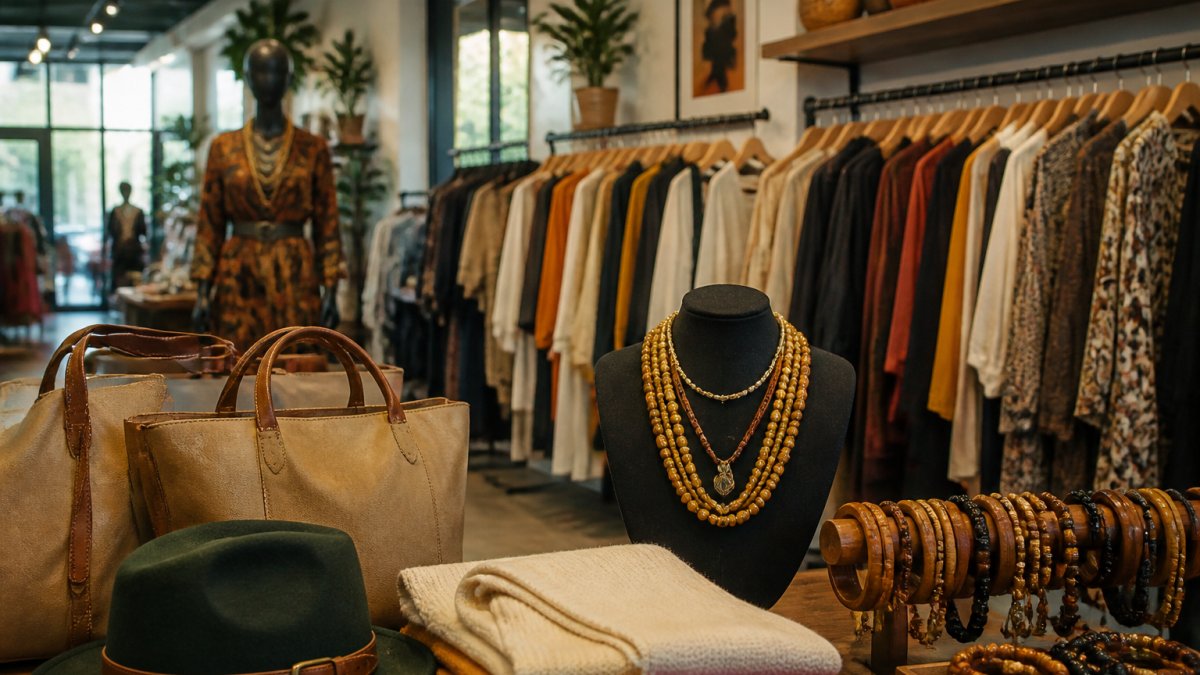
For Shea Marne Luxury Collection, browse the handcrafted jewelry and couture clothing on the brand's website, and contact the team with questions. Pricing depends on the piece and the order, so check current prices directly with the brand.
Frequently Asked Questions
What are the best Black-owned luxury jewelry brands?
The strongest Black-owned luxury jewelry brands combine verifiable founder ownership with clear materials and transparent pricing. Look for brands that state their metals and gemstone sourcing, publish care instructions, and explain what their pieces are made from. Check each brand's website for its founder story and current price range, since pricing changes by collection and piece. Start with the brands in the fine and statement sections above, then compare materials and return policies before you buy.
Which Black-owned brands make fine jewelry?
Fine jewelry is typically made with precious metals such as 14- or 18-karat gold or sterling silver and natural or lab-grown gemstones, and it is designed to last for years. The fine jewelry brands in this guide are chosen because their materials are described clearly on their sites. Ask for metal purity stamps, gemstone grading information, and warranty terms before purchasing, since these details separate true fine jewelry from fashion pieces with a luxury look.
How can I tell whether a jewelry brand is Black-owned?
Start with the brand's about page, which should name the founder and describe the ownership structure. Confirm with independent sources such as press coverage, interviews, or business registration records. Be cautious of brands that use cultural language without naming an owner. Verification matters because ownership claims are easy to make and hard for shoppers to check on their own.
What should I consider before buying luxury jewelry online?
Check the return policy, the sizing guide, and whether the brand offers a warranty or repair service. Look for clear photos showing the piece's scale and finish, and read customer reviews for notes on fit and durability. Confirm the metal and gemstone details in writing. Pricing depends on the piece, materials, and collection, so compare the same specifications across brands rather than the headline price alone.