 how-to
How to Express Individuality Through Fashion Without Overspending
Last Updated: October 28, 2026
Quick Summary
To express individuality through fashion, choose clothes with intention rather than buying more. Audit the pieces you already wear, define your lifestyle and occasions, and build a small palette of colors, patterns and silhouettes you love. Then add one standout piece, such as a statement accessory or signature layer, to make outfits feel distinctly yours.
- Sort your wardrobe into worn often, occasionally, and never worn to reveal your real taste.
- Choose three to five colors, one or two patterns, and two silhouettes for a coordinated palette.
- Let one element lead each outfit, whether a statement jewelry piece or a distinctive blazer.
- Calculate cost per wear before buying, since a higher-priced piece you wear often can be better value.
- Tailoring, thrift shopping, and clothing swaps can refresh your wardrobe without overspending.
Table of Contents
- How to Find Your Personal Style: A Step-by-Step Discovery Exercise
- Personal Style Outfit Ideas for Everyday, Work and Special Occasions
- Statement Jewelry for Personal Style: Making Accessories Do the Talking
- Expressing Individuality in Workplace, Dress-Code and Conference Settings
- Ethical Fashion and Personal Style: Building a Distinctive Wardrobe That Lasts
- Your Next Step: Choose One Signature Piece to Build Around
- Frequently Asked Questions
Your wardrobe says something about you before you open your mouth. The principles below can help you build outfits that feel like your own.
Clothing works as nonverbal communication. If you find these steps hard to work through on your own, you can book a personal styling session for expert help defining your style.
Watch out: buying trend pieces you will not wear past one season is the fastest way to end up with a closet full of clothes that say nothing about you.
How to Find Your Personal Style: A Step-by-Step Discovery Exercise
Personal style is not a talent you either have or lack. It is a process you can follow. Here is a simple three-step exercise you can complete in an afternoon.
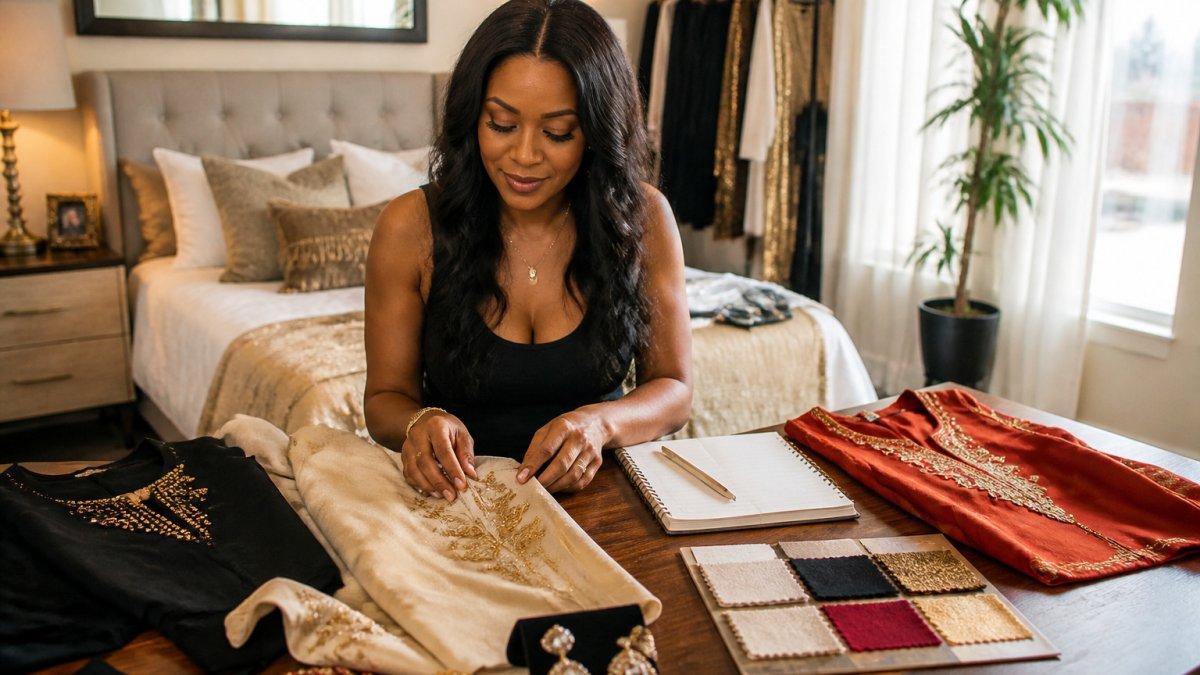
Step 1: Audit What You Already Reach For
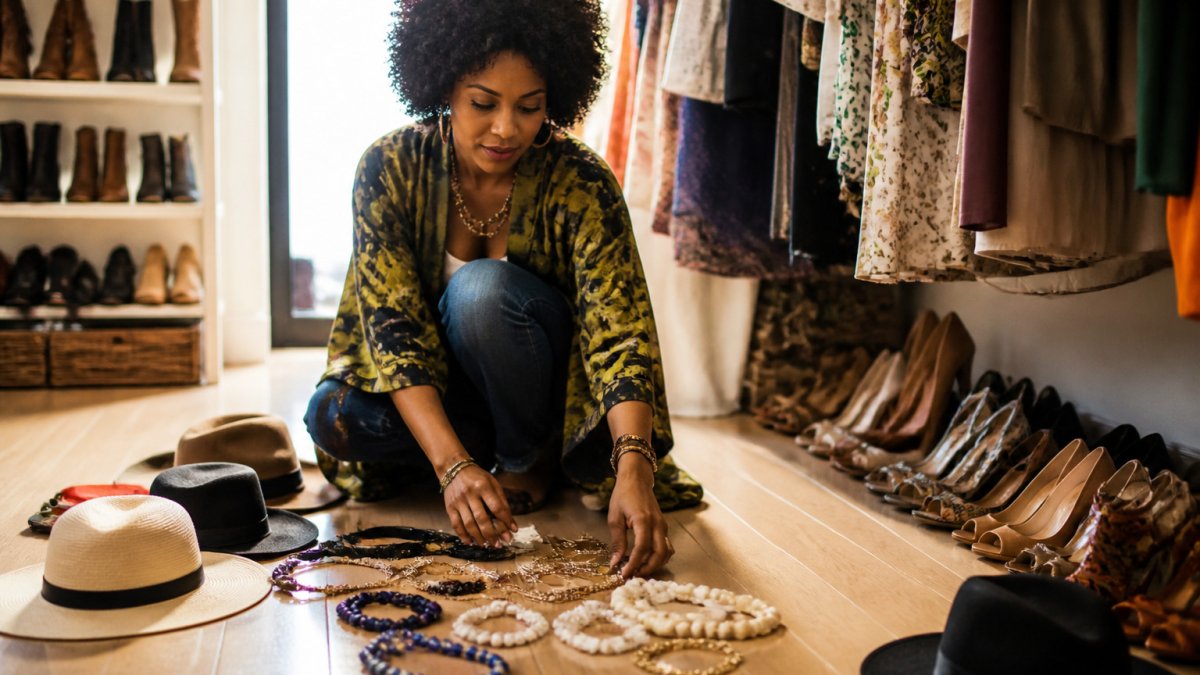
Pull out everything you wore in the last month. Sort it into three piles: worn often, worn occasionally, and never worn.
- Note the colors, cuts and fabrics you keep choosing
- Identify the pieces that make you feel most like yourself
- Flag anything you bought but never wear, and ask why
Your most-worn pieces are the clearest evidence of your real taste. Start your style profile there.
Step 2: Define Your Values, Lifestyle and Occasions
Clothes need to fit the life you actually live. Write down how you spend a typical week, then list the occasions you dress for most.
- Work days, school runs, weekend plans, and social events
- Two or three words that describe how you want to feel in your clothes
- Any dress codes you must follow
This step keeps you from buying a gown you will never wear or a blazer that never leaves the closet.
Step 3: Build a Small Palette of Colors, Patterns and Silhouettes
Choose a limited set of building blocks so every piece works with the others.
- Pick three to five colors you return to and feel good in
- Choose one or two patterns you enjoy, or skip patterns entirely
- Settle on two silhouettes that flatter your frame and daily routine
A small, coordinated palette makes mixing and matching easy. It also makes shopping far cheaper, because every new piece has to earn its place.
Personal Style Outfit Ideas for Everyday, Work and Special Occasions
Once you have a palette, outfits come together faster. The formulas below translate broad advice about colors, patterns, and accessories into specific combinations you can shop your own closet for this week. Each formula follows the same logic: one neutral base, one point of interest, and one piece that feels unmistakably like you.
Everyday formulas
- The uniform upgrade: dark straight-leg jeans, a fitted neutral tee, a structured overshirt in your signature color, and clean sneakers or loafers. The overshirt is the personality layer; everything else is the frame.
- The texture play: a monochrome base (all navy, all cream, all olive) with one textured piece, such as a ribbed knit, a corduroy jacket, or a silk scarf. Monochrome keeps the look calm; texture keeps it from reading as flat.
- The pattern anchor: one patterned piece (striped shirt, polka-dot blouse, plaid trouser) paired with two solid pieces pulled from the pattern's secondary colors. This is the easiest way to wear pattern without it wearing you.
Work and conference formulas
- The tailored contrast: a blazer in a color you love over a simple shell and straight trousers, finished with one distinctive accessory, such as a sculptural earring or a vintage-style watch. The blazer carries the color; the accessory carries the story.
- The dress-plus-layer: a midi dress in a solid color, a cropped cardigan or structured jacket, and a shoe that matches your bag. This formula travels well because every piece works separately.
- The subtle signature: a classic suit in a neutral shade with one unexpected detail, such as a colored lining, a printed scarf, or a non-traditional shoe color. In dress-code settings, the detail does the talking while the silhouette stays appropriate.
Special-occasion formulas
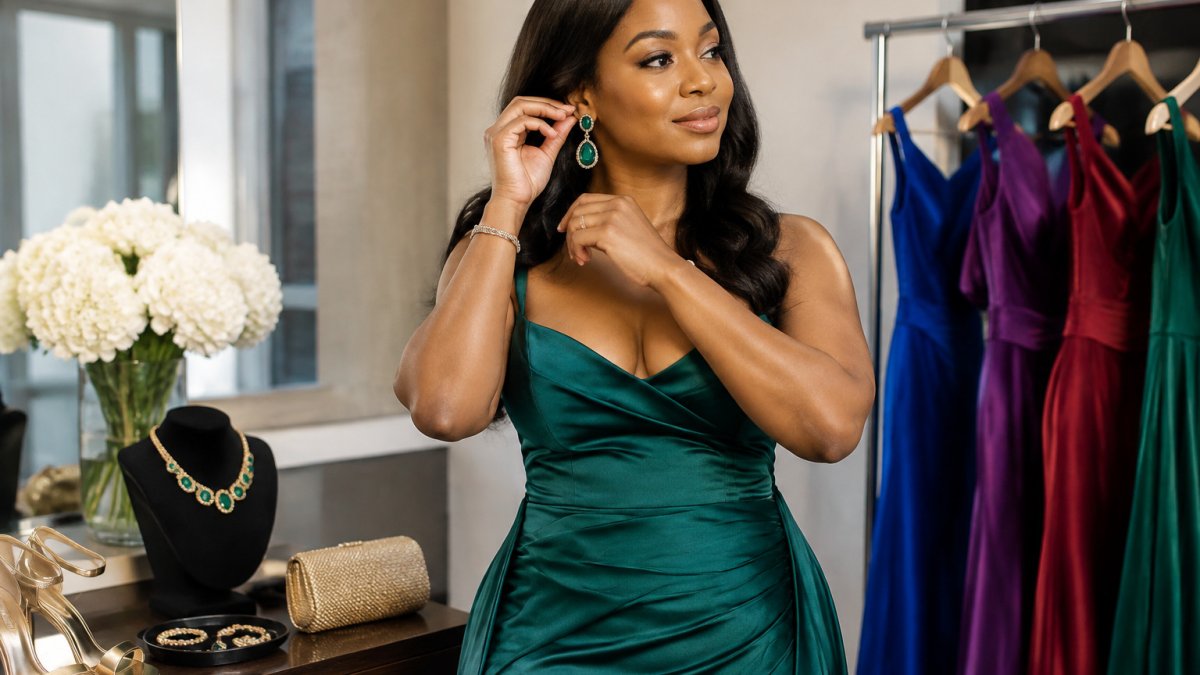
- The statement dress, quiet accessories: a couture-inspired dress or a standout jacket as the focal point, with restrained jewelry and a simple shoe. Let one element lead.
- The separates approach: a silk camisole or embellished top with tailored trousers and a heel. This works for events where a full gown feels like too much but jeans feel like too little.
- The layer story: a simple base outfit elevated by one dramatic layer, such as a long coat, a cape, or a heavily textured jacket. The layer is the personality; the base is the comfort.
How to adapt any formula
- For budget: swap the suggested piece for something you already own in a similar color or silhouette. The formula is about proportion and color logic, not specific brands.
- For body type and fit: keep the color and texture logic, then adjust the silhouette to what feels comfortable and supportive. A straight-leg trouser and a wide-leg trouser can play the same role in a formula.
- For accessibility and sensory needs: prioritize soft fabrics, tag-free construction, and closures you can manage independently. The personality layer can be a scarf, a pin, or a color rather than a restrictive garment.
Repeat your favorite formulas with different pieces and the look becomes recognizably yours. A useful practice is to photograph two or three outfits that worked and keep them in a phone album labeled by occasion, so you can rebuild them quickly on busy mornings.
Statement Jewelry for Personal Style: Making Accessories Do the Talking
Accessories are the fastest way to personalize an outfit without buying new clothes. A single handcrafted statement necklace can change a simple dress completely. Handcrafted pieces also carry a sense of story and craft that mass-produced jewelry rarely offers.
For everyday wear, choose one statement piece and keep the rest of your jewelry quiet. For events, you can layer more confidently. The rule is simple: let one element lead.
Expressing Individuality in Workplace, Dress-Code and Conference Settings
Strict dress codes can feel like they leave no room for personality. They do, but the expression happens in smaller choices.
- Choose a signature color in shirts, scarves or lining
- Wear one distinctive accessory with otherwise classic pieces
- Pick fabrics and textures that add interest within the rules
Professional women at business conferences often find that a single memorable detail helps them stand out while staying appropriate.
Ethical Fashion and Personal Style: Building a Distinctive Wardrobe That Lasts
A distinctive wardrobe is also a durable one, and building it does not require a large budget. People can build a distinctive wardrobe by buying deliberately, repairing what they own, and restyling existing pieces before adding new ones. This section covers the practical mechanics: cost per wear, secondhand sourcing, tailoring, swaps, and care.
Start with cost per wear, not price tag
Cost per wear is the price of a garment divided by the number of times you expect to wear it. The jacket is the better value even though it costs more up front. Before buying anything, estimate how many occasions you realistically have for it in the next year. If the number is low, the cost per wear is high, and the piece probably does not belong in a wardrobe built around individuality.
Thrift and secondhand as a style advantage
Secondhand shopping is not only a budget strategy; it is one of the fastest ways to find pieces no one else is wearing. Practical approaches:
- Shop by fabric and construction first. Check seams, lining, and buttons before checking the label. Well-made older pieces often outlast new fast-fashion equivalents.
- Go with a list. Bring your three-to-five color palette and two silhouettes with you so you can evaluate pieces against your style profile rather than against the thrill of the find.
- Check the return policy. Many secondhand and consignment shops sell final sale, so try pieces on and inspect them in daylight when possible.
Tailoring: the cheapest way to make clothes feel custom
A tailor can transform the fit of a garment for a modest fee, often far less than the cost of a new piece. Common alterations include hemming trousers, taking in a waist, shortening sleeves, and adjusting shoulder seams. Before you donate a piece that almost works, get a quote. A jacket that fits your shoulders but is slightly loose through the body is usually a straightforward alteration; a jacket with shoulders that do not fit is usually not worth the cost.
Clothing swaps and restyling
- Host a swap. Invite a small group, ask each person to bring five to ten clean pieces in good condition, and set up categories by type. Swaps refresh a wardrobe at no cost and often surface pieces that fit your palette better than the original owner's.
- Restyle before you buy. Try each unworn piece in at least three combinations: with your most-worn bottom, with your most-worn layer, and with a shoe you rarely reach for. A surprising number of "dead" pieces work once the styling changes.
- Repair first. Replacing a button, fixing a hem, or patching a small hole is usually inexpensive and extends a garment's life by years.
Care that keeps a wardrobe distinctive
Wash less often, air garments between wears, and follow care labels. Storing knitwear folded rather than hung prevents shoulder stretching, and using padded hangers protects structured jackets. These habits keep the pieces you love looking like the pieces you bought.
Aligning purchases with your values
When you do buy new, choose fewer pieces from makers whose construction and labor practices you can verify. Supporting purpose-driven, Black-owned businesses is one way to put your values into your purchases. Shea Marne Luxury Collection is built around that idea, with couture pieces, inclusive sizing, and a commitment to social enterprise and philanthropy. The broader principle is simple: every new piece should earn its place in a wardrobe you already love.
Your Next Step: Choose One Signature Piece to Build Around
You do not need to reinvent your closet this week. Pick one piece that makes you feel most like yourself and build two or three outfits around it.
When you are ready to add a statement piece, browse the Shea Marne Luxury Collection shop for couture clothing and handcrafted jewelry that fits your palette. Shop today and start building a wardrobe that speaks for you.
Frequently Asked Questions
How can I express my personality through my clothes?
Start with three words that describe how you want to feel when you get dressed, such as warm, bold or polished. Then choose a consistent color family, one recurring silhouette and one signature accessory that match those words. Repetition is what makes a look recognizable as yours. Wear the same few anchors across different outfits and let small variations, like a bold scarf or a statement earring, carry the personality. Over time people begin to associate those cues with you, which is the practical meaning of a personal style.
How do I find a personal style that feels authentic?
Authentic style usually comes from noticing what you already wear comfortably rather than copying what you see online. Photograph your most-worn outfits for two weeks, then look for patterns in color, fit and formality. Ask which pieces make you feel most like yourself and which make you feel like you are wearing a costume. Keep the first group, and let trends influence only the details you choose to adopt, such as a cut or a color, rather than the whole outfit.
How can accessories help express individuality on a budget?
Accessories let you change the impression of an outfit without buying new clothes. A single statement necklace, a structured bag or a distinctive belt can shift a basic black dress from everyday to dramatic. Choose one or two standout items per outfit so they remain the focus, and build a small collection of pieces that work across several looks.
How can I express my style while dressing professionally or for a dress code?
Dress codes limit silhouettes and colors, but they rarely eliminate personality. Choose a tailored base that meets the code, then express yourself through fabric texture, a color within the approved range, a signature piece of jewelry or a well-chosen pair of shoes. Invest in fit and fabric first. Personality then shows in small, deliberate details rather than in the overall look.