 how-to
What to Wear to a Black Tie Optional Wedding
Last Updated: November 3, 2026
Quick Summary
For a black tie optional wedding, dress formally with polish and structure while leaving room for personal style. Men can wear a tuxedo or a dark suit, and women can wear a floor-length gown or an elegant formal cocktail dress in a structured fabric.
- Black tie optional means formal dress, but a tuxedo or dark suit is acceptable for men.
- Women can choose a floor-length gown or a formal cocktail dress, ideally midi or just above the ankle.
- Choose structured fabrics such as satin, crepe, or chiffon, and avoid jersey, denim, and linen.
- Pick one strong statement piece of jewelry rather than over-accessorizing.
- If the invitation is unclear, ask the couple one direct question about how the wedding party is dressed.
Table of Contents
- Black Tie Optional Meaning: What the Dress Code Actually Asks of You
- How Black Tie Optional Compares With Black Tie and Formal Attire
- What to Wear to a Black Tie Optional Wedding as a Woman
- What to Wear to a Black Tie Optional Wedding as a Man
- Colors, Fabrics, Shoes, and Accessories That Fit the Dress Code
- Choosing Your Outfit: A Decision Guide for Invitations, Venues, and Comfort
- Booking Your Wedding Look: Next Steps With Shea Marne Luxury Collection
- Frequently Asked Questions
Black Tie Optional Meaning: What the Dress Code Actually Asks of You
Black tie optional is the dress code that tells you the couple wants formal dress but will accept a tuxedo or a dark suit. A common question is what the right outfit is when the invitation says black tie optional? The short answer is that you should dress formally, with polish and structure, while leaving room for personal style.
Think of the dress code as a range rather than a rule. A tuxedo sits at the formal end. A dark suit sits just below it. Women have an equally wide range, from a floor-length gown to an elegant formal cocktail dress. Both are correct as long as they look intentional.
Most guests get this wrong in one of two ways. Some show up underdressed in daytime separates. Others arrive in a gown so extravagant that they outshine the couple. The goal is to look like you took the event seriously without making it about you.
How Black Tie Optional Compares With Black Tie and Formal Attire
Black tie is the stricter standard. It usually means a tuxedo for men and a floor-length gown or formal evening dress for women. Black tie optional keeps the same formal tone but relaxes the requirement, so the bar is the same level of elegance with more choices.
Formal attribute language is a useful shorthand. "Formal" can mean anything from a cocktail party to a state dinner, so the invitation's wording matters. When you see "black tie optional," treat it as a signal for evening wear with a bit of flexibility.
| Dress Code | Men | Women | Best Choice |
|---|---|---|---|
| Black tie | Tuxedo required | Floor-length gown | Full formal evening wear |
| Black tie optional | Tuxedo or dark suit | Gown or formal cocktail dress | Polished evening look |
| Formal attire | Suit and tie | Cocktail dress or elegant separates | Dressy but more flexible |
What to Wear to a Black Tie Optional Wedding as a Woman
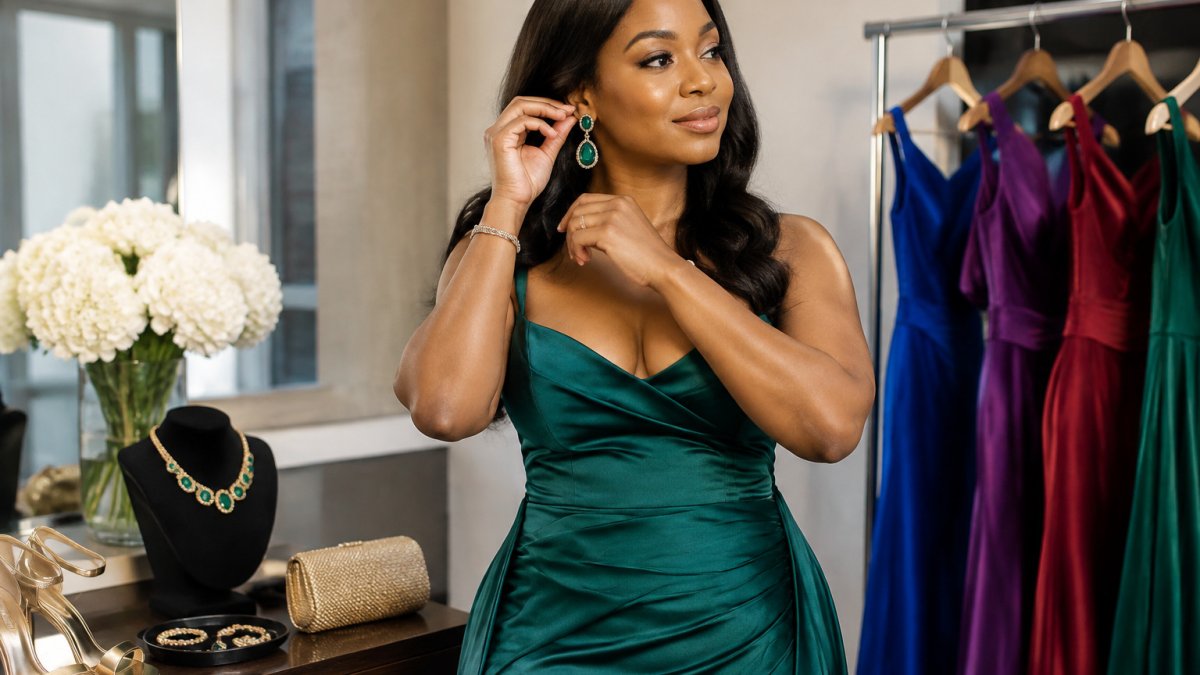
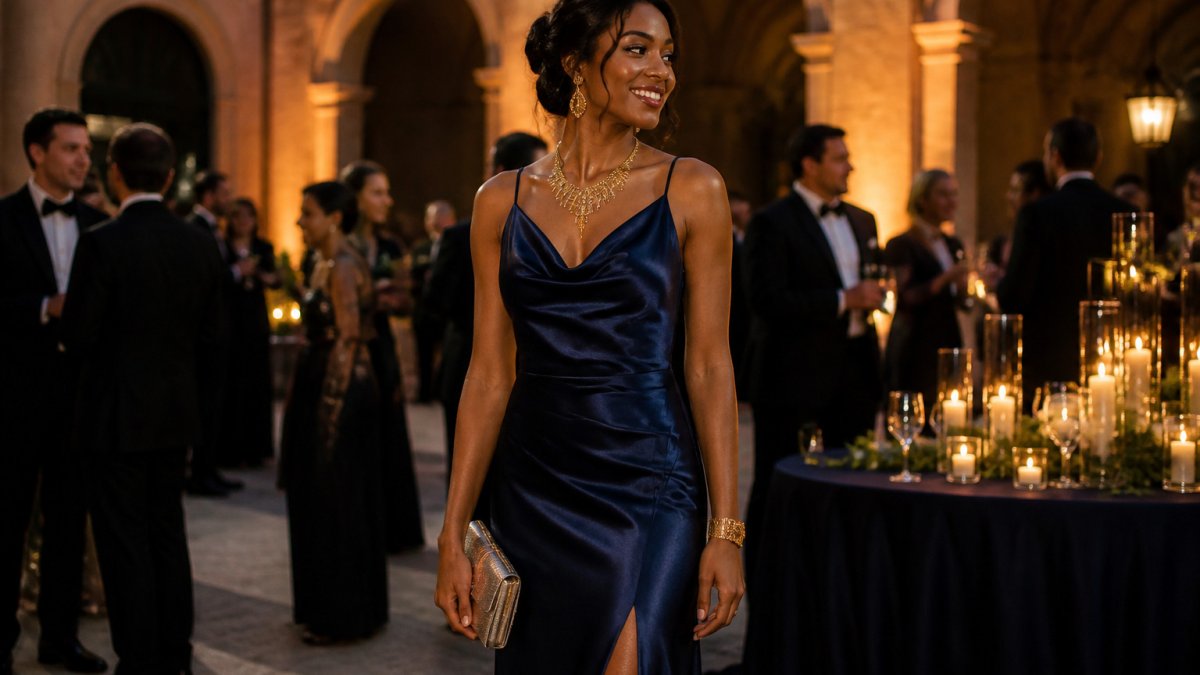
For women, the best choice is usually a floor-length gown or an elegant formal cocktail dress. Explore elegant dress styling ideas for formal occasions to see how these pieces come together. Choose fabrics with some structure, such as satin, crepe, or chiffon, and avoid anything that looks casual, like jersey or denim. A well-fitted silhouette matters more than the price tag.
Floor-Length Gowns and Formal Cocktail Dresses
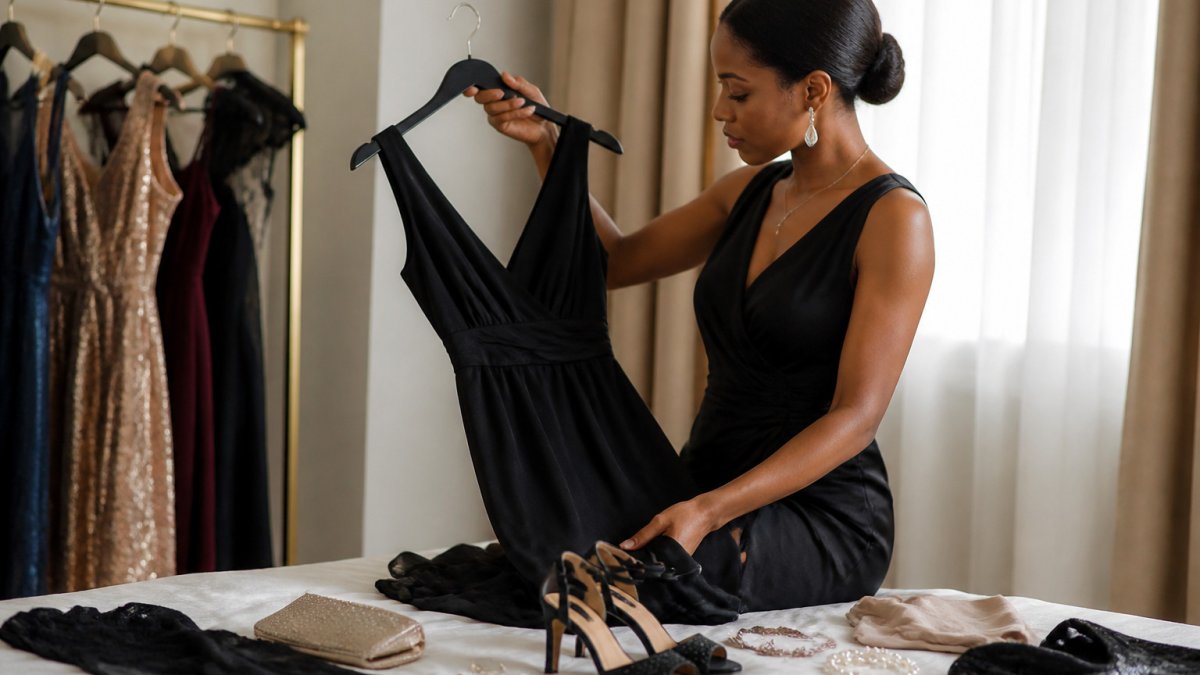
A floor-length gown is the safest option for an evening ceremony. It reads as formal even from across the room. A formal cocktail dress, ideally midi or just above the ankle, works well for afternoon or early-evening weddings. Browse the Vanite Couture sleeveless black statement dress for a structured option from the boutique's own collection.
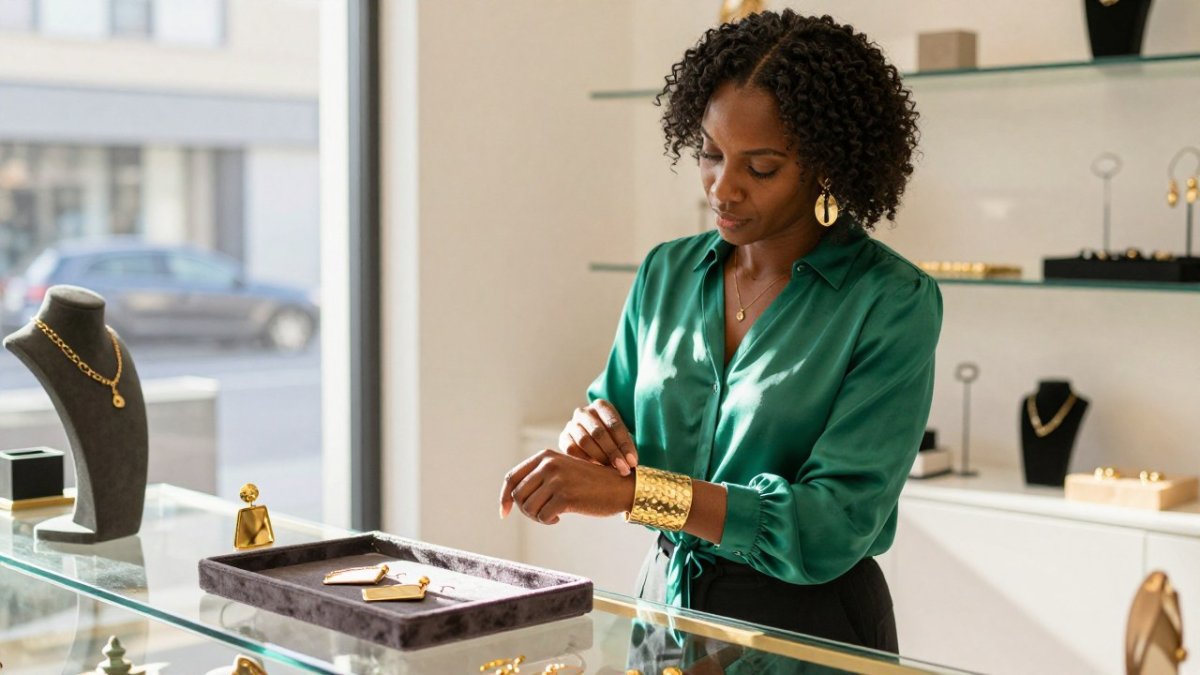
A good approach is to pair the dress with one strong piece of jewelry. A statement earring or a bold necklace can make a simple silhouette feel special without competing with the couple. Shop handcrafted statement necklaces and distinctive accessories to finish the look.
A common mistake is choosing something too short or too revealing. Keep the neckline and hemline in line with the formality of the venue.
Black Tie Optional Dresses for Every Season and Venue
Season and venue should guide your fabric and color choices. A heavier satin or velvet works for winter evenings. Lighter chiffon or crepe suits spring and summer receptions, especially outdoors.
Venue matters too. A ballroom calls for a dressier gown. A garden or beach ceremony suits a midi-length dress in a softer fabric, since long trains and heavy fabric can be hard to manage on grass or sand.
What to Wear to a Black Tie Optional Wedding as a Man
For men, a tuxedo is the most formal choice and is always appropriate. A dark suit in charcoal, navy, or black is an acceptable alternative for this dress code. Pair it with a crisp dress shirt and either a bow tie or a long tie.
Tuxedo Versus Dark Suit: Choosing the Right Option
A tuxedo is the clearest signal of formality. Its satin lapels and tailored fit make it the obvious choice for an evening wedding. If you own one, wear it.
A dark suit is a solid alternative, especially for daytime or early-evening events. Choose a well-fitted suit in a solid dark color. Avoid bright patterns, casual fabrics like denim or linen, and loose fits that look unfinished. Dress shoes should be polished, with dark socks that match your trousers.
Colors, Fabrics, Shoes, and Accessories That Fit the Dress Code
Color is the fastest way to signal formality. Black, navy, charcoal, deep burgundy, forest green, and midnight blue all read as evening formal. Metallics, gold, silver, bronze, work for women's gowns and accessories but should be one element, not the whole outfit. Save white and ivory for the bride, and treat very pale pastels and loud prints as daytime-only unless the invitation says otherwise.
Fabric does more work than color. Satin, crepe, velvet, chiffon, and fine wool all hold structure and catch light in a way that reads formal. Jersey, linen, cotton blends, and anything with a visible casual texture will undercut the dress code even if the cut is right.
Fit and tailoring are where most guests lose the formality they paid for. For a suit, check four points: the shoulder seam sits at the edge of your shoulder, the jacket closes without pulling at the button, about half an inch of shirt cuff shows past the sleeve, and the trouser hem breaks once on the shoe.
Shoes should be formal and broken in before the event. For women, strappy heels, elegant pumps, or dressy flats in a height you can walk in all evening; a block heel is the practical choice for grass, gravel, or cobblestone. For men, polished leather oxfords, derbies, or patent loafers with dark socks that match the trousers. Skip sneakers, sandals, and anything with a heavy lug sole.
Accessories should be restrained and functional. A clutch or small structured bag, one statement piece of jewelry, and a wrap or shawl for cooler evenings cover most needs. For men, a pocket square, cufflinks if the shirt takes them, and a dress watch are enough. A common pattern is that guests over-accessorize to compensate for a simple outfit; one strong piece reads more formal than five.
Watch out: a dress that fits at the try-on but restricts sitting or dancing will read as uncomfortable all night, and discomfort undermines the polish the dress code is asking for.
Inclusive and comfort considerations belong in this section, not a footnote.
Choosing Your Outfit: A Decision Guide for Invitations, Venues, and Comfort
Most guests do not need more options; they need a way to decide. Use this decision tree, in order.
Step 1: Read the invitation for the deciding words. If it says "black tie optional" and gives an evening start time, default to the formal end of the range. If it adds "formal" or "cocktail" anywhere, that word narrows the choice. If it names a venue, ballroom, country club, museum, garden, let the venue set the floor for formality.
Step 2: Choose your lane.
- If you own a tuxedo and the event starts after 6 p.m., wear it. It is never wrong at black tie optional.
- If you do not own a tuxedo, a dark suit in charcoal, navy, or black with a crisp shirt and a bow tie or long tie is the correct alternative. Do not rent a tuxedo you will fidget in all night; a well-fitted suit beats a poorly fitted tuxedo.
- For women, a floor-length gown is the safest evening choice. A formal midi or ankle-length cocktail dress in a structured fabric is the correct alternative for afternoon or early-evening events.
- If you prefer not to wear a gown or a suit, a formal jumpsuit, a floor-length skirt with a structured top, or a tuxedo-style jacket over dress trousers meets the same bar.
Step 3: Adjust for time, season, and venue. An evening ballroom calls for the dressiest version of your lane. A daytime garden or beach ceremony allows a midi dress in a lighter fabric or a suit without a tie, but keep the fabric formal. Winter evenings justify velvet, heavier satin, and a wrap; summer outdoor events justify chiffon and crepe and a block heel that will not sink into grass.
Step 4: Resolve ambiguity before the event, not at the door. If the invitation is unclear, it is appropriate to ask the couple or a member of the wedding party one direct question: "Is the wedding party in tuxedos, and are most guests wearing gowns?" That single answer tells you which end of the range to choose. If you are someone's plus-one, coordinate with your date so you match in formality level, not in color. Do not try to match the wedding party's colors or outfits; that is reserved for the people standing at the altar.
Step 5: Run the comfort and function check. Sit down in the outfit, raise your arms, and walk a flight of stairs. If any of those is a problem, the outfit will fail on the night. Choose shoes you can dance in and plan for temperature, an outdoor evening cools quickly, and a ballroom runs warm.
Watch out: the word "optional" is about the tuxedo, not about the formality. Guests who read it as permission to wear daytime separates are the most common underdressing mistake at this dress code.
When in doubt, err one notch dressier. Being slightly overdressed is easy to carry with confidence; being underdressed cannot be fixed once you arrive.
Booking Your Wedding Look: Next Steps With Shea Marne Luxury Collection
Ready to find your outfit? Shea Marne Luxury Collection offers couture clothing and handcrafted statement jewelry. Pricing depends on the piece and its availability, so visit our website for current prices and options.
Frequently Asked Questions
What is the dress code for a black tie optional wedding?
A black tie optional wedding calls for formal evening attire, but guests are not required to wear it. Women can choose a floor-length gown or an elegant formal cocktail dress. Men can wear a tuxedo or a dark suit with a tie. Both options signal that you took the invitation seriously. Check the invitation wording and wedding website for any venue or time-of-day notes that might shift the level of formality.
Is it okay to wear black to a black tie optional wedding?
Yes, black is appropriate at a black tie optional wedding, as long as the piece is formal. A black floor-length gown or an elegant black cocktail dress works well for evening. Avoid anything that reads as mourning or looks too casual, such as a basic knit or everyday jersey. Pair dark pieces with metallic or statement jewelry to add polish and keep the look celebratory.
Can you wear a blue suit to a black tie optional wedding?
A navy or other dark blue suit is generally acceptable for a black tie optional wedding, particularly for daytime or early evening events. Choose a well-fitted suit in a formal fabric such as wool or a fine blend, with a dress shirt and a tie or bow tie. Lighter blues and patterned suits read as less formal, so they are better suited to a cocktail or garden-party wedding.
Does black tie optional mean you have to wear a tuxedo?
No. Black tie optional means a tuxedo is welcome but not required. A dark suit with a crisp dress shirt and a tie or bow tie is a fully acceptable alternative. Guests who wear a tuxedo should still ensure it is tailored and polished, and guests in dark suits should avoid casual fabrics such as denim or linen.