 listicle
Which Black-Owned Streetwear Brands Are Worth It in 2026?
Last Updated: November 4, 2026
Quick Summary
The best black-owned streetwear brands for 2026 are chosen by verified Black ownership, then judged on fit, fabric weight, sizing and fair pricing rather than size or social reach. Shoppers should check fabric spec, garment measurements and return policy before buying, and can start with affordable basics under $100.
- Choose brands by verified Black ownership, then by fit, construction, sizing and pricing.
- Check fabric weight, garment measurements and care labels before trusting a price.
- Heavyweight tees, logo hoodies and relaxed joggers offer value under $100.
- Buy one hoodie or overshirt at $100 to $250 and confirm the return window first.
- Test a brand's sizing with one everyday piece before investing in outerwear.
Table of Contents
- How We Chose These Black-Owned Streetwear Brands
- Black-Owned Streetwear Brands Affordable Enough for Everyday Wear
- Black-Owned Streetwear Brands for Men: Fits, Fabrics and Finds
- Black-Owned Streetwear Brands for Women: Style Beyond the Hoodie
- Black-Owned Streetwear Brands with Inclusive Sizing
- Price-Point Guide and Styling Tips for Streetwear
- Start Shopping Shea Marne Luxury Collection's Black-Owned Pieces
- Frequently Asked Questions
Finding the best black owned streetwear brands for in 2026 is harder than it looks, because most "best of" lists rank big-name labels and ignore who owns them. At Shea Marne Luxury Collection, we spend our time on the Black-owned end of fashion, and that lens shapes what follows. Black-owned fashion is a growing market, but growth alone does not tell a shopper what is worth buying. This guide focuses on quality, fit, price and whether a brand's stated values show up in the product.
Streetwear has deep roots in Black culture, from hip-hop fashion to the sneaker and graphic-tee traditions that later became mainstream. Many shoppers now want clothing that carries that heritage without feeling costume-like. Black-owned labels often do this well, drawing on that history while building current, wearable collections. The question for buyers is whether the clothing fits, lasts and suits their life.
Here is what this article covers: how we chose the brands, which options suit everyday budgets, men's and women's picks, which brands offer inclusive sizing, and a simple price-point guide with styling tips.
Census Bureau data on minority-owned business ownership
How We Chose These Black-Owned Streetwear Brands
Selection starts with ownership. A brand has to be verifiably Black-owned, and its owners should be publicly identifiable. We then look at product range, construction, sizing and whether pricing matches the quality on offer.
We also weigh how a brand talks about its work. Vague claims about "community" count for less than specifics about production, sourcing or giving back. Brands that show their process earn more trust than those that only tell a story.
We do not rank brands by size or social reach. A small label with consistent fit and fair pricing can beat a famous name. Our picks reflect what we would recommend to a friend shopping on a real budget.
Black-Owned Streetwear Brands Affordable Enough for Everyday Wear
Affordable streetwear is not the same as cheap streetwear. The best value usually comes from pieces built on sturdy fabric, with reinforced seams and print that holds up after repeated washing. Look at the care label and the fabric content before you check the price.
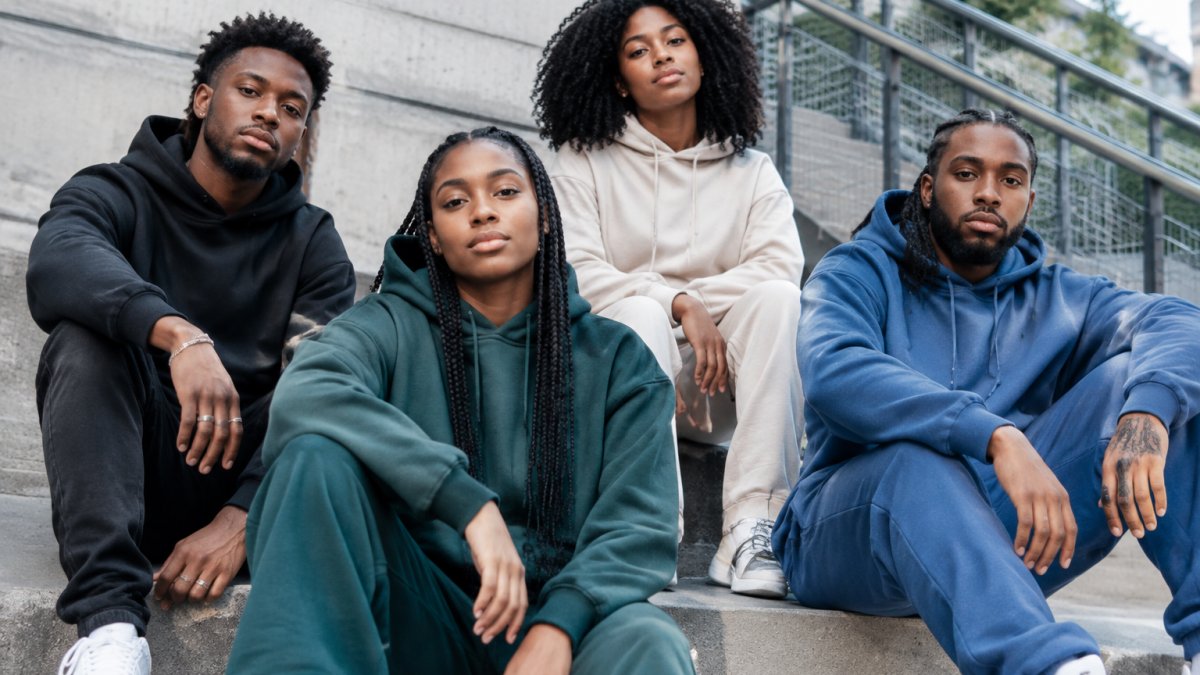
For everyday wear, prioritize versatile basics: a heavyweight tee, a relaxed hoodie, and a pair of well-cut joggers. These pieces get worn most, so they should justify their cost per wear. A simple rule: if a piece will not survive ten washes, it is not affordable, no matter the sticker price.
Shea Marne Luxury Collection focuses on affordable luxury. For current prices, check the brand's website directly, since pricing depends on the piece, quantity, dates and delivery.
The article's three price bands show where value tends to sit at each budget level.
| Price band | Where the value usually is | Watch for |
|---|---|---|
| Under $100 | Heavyweight tees, logo hoodies, relaxed joggers | Thin poly blends that pill |
| $100 to $250 | Pattern work, drape, lasting wash treatments | Fit risk; check return window |
| $250 and up | Design, small-batch production, hand finishing | Buy one piece that works across outfits |
Black-Owned Streetwear Brands for Men: Fits, Fabrics and Finds
Men's streetwear lives or dies on two things: the cut of the shoulder and the weight of the fabric. Most lists stop at naming labels. This section goes a layer deeper, what to check before you buy, and how to read a brand's production claims so "Black-owned" is not the only thing you know about the garment.
Start with the shoulder and the length. Boxy, oversized cuts only work when the shoulder seam sits where your shoulder actually ends and the hem lands at the right point, roughly mid-fly for a tee, and just below the waistband for a hoodie. Pull the garment measurements from the product page and compare them to a piece you already own that fits well.
Read the fabric spec, not the marketing copy. Heavier cotton jersey (look for 6.5 ounces and up) and French terry hold shape and drape better than thin blends. Ringspun cotton feels softer up front; open-end cotton is rougher but often more durable. If a product page lists fabric weight, country of manufacture, and care instructions, that is a reasonable sign the brand has thought through construction. If it lists none of those, ask before you buy.
Use supply-chain transparency as a filter. The "Black-owned" label tells you who owns the business, not how the garment was made. A brand that names its cut-and-sew facility, states where its cotton is sourced, or publishes a supplier list gives you something to verify. A brand that only says "ethically made" without specifics is asking for trust it has not earned.
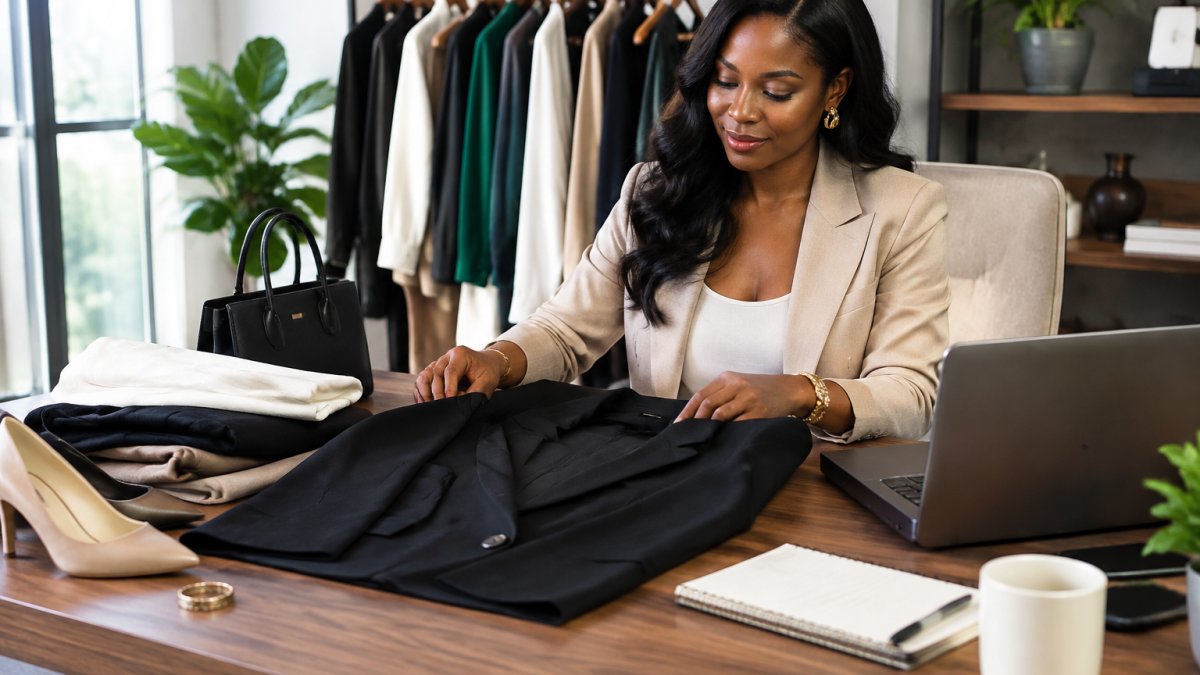
Build a capsule instead of a haul. For most wardrobes, four pieces cover the week: a heavyweight tee, a relaxed hoodie, a straight or wide-leg trouser, and one overshirt or jacket. Buy the tee and hoodie first, wear them for a month, and let that tell you whether the brand's sizing runs true before you spend on outerwear.
Watch out: A brand that markets "oversized" without publishing garment measurements is a fit gamble. Order one piece first, confirm the return policy, and size from measurements rather than from the label.
Where to look next: the emerging-designer tier is where most of the interesting construction is happening right now, smaller runs, more hand finishing, and often direct access to the founder for sizing questions. Follow the labels whose product pages answer the fabric and fit questions above, and treat social-media reach as a tiebreaker, not a shortlist.
Black-Owned Streetwear Brands for Women: Style Beyond the Hoodie
Women's streetwear has moved well past the oversized hoodie. Many shoppers now combine street pieces with tailored elements, such as a structured jacket over a graphic tee or a wide-leg trouser with a cropped knit. This blend of comfort and polish suits both weekend errands and events.
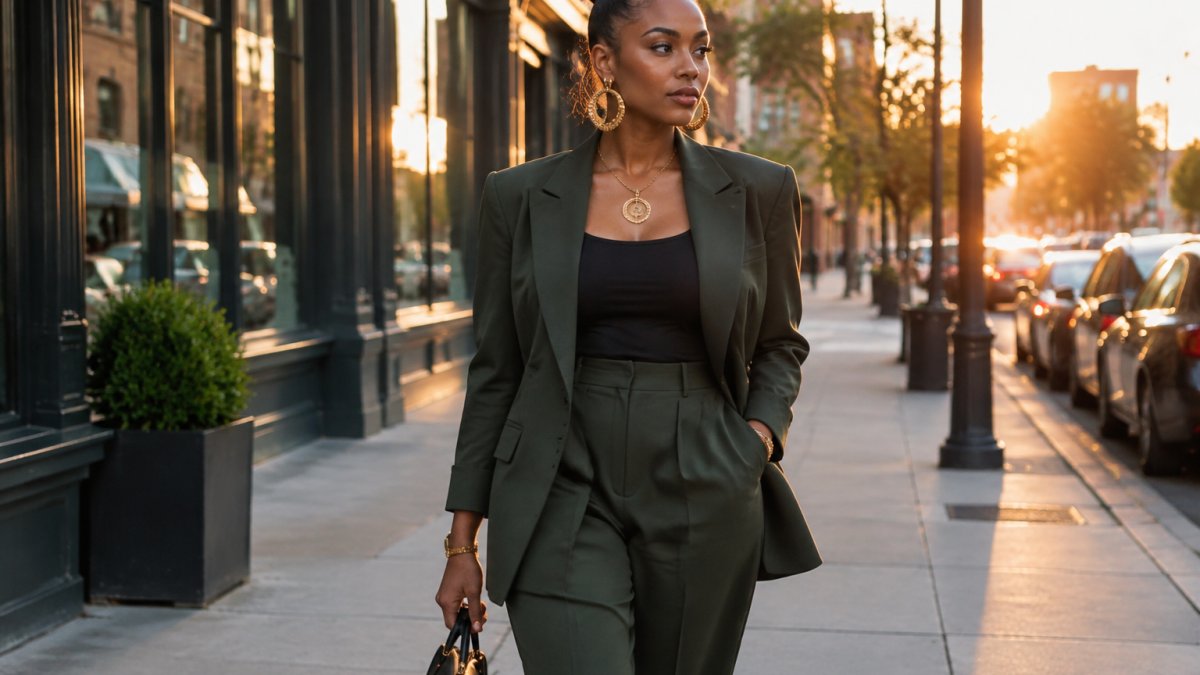
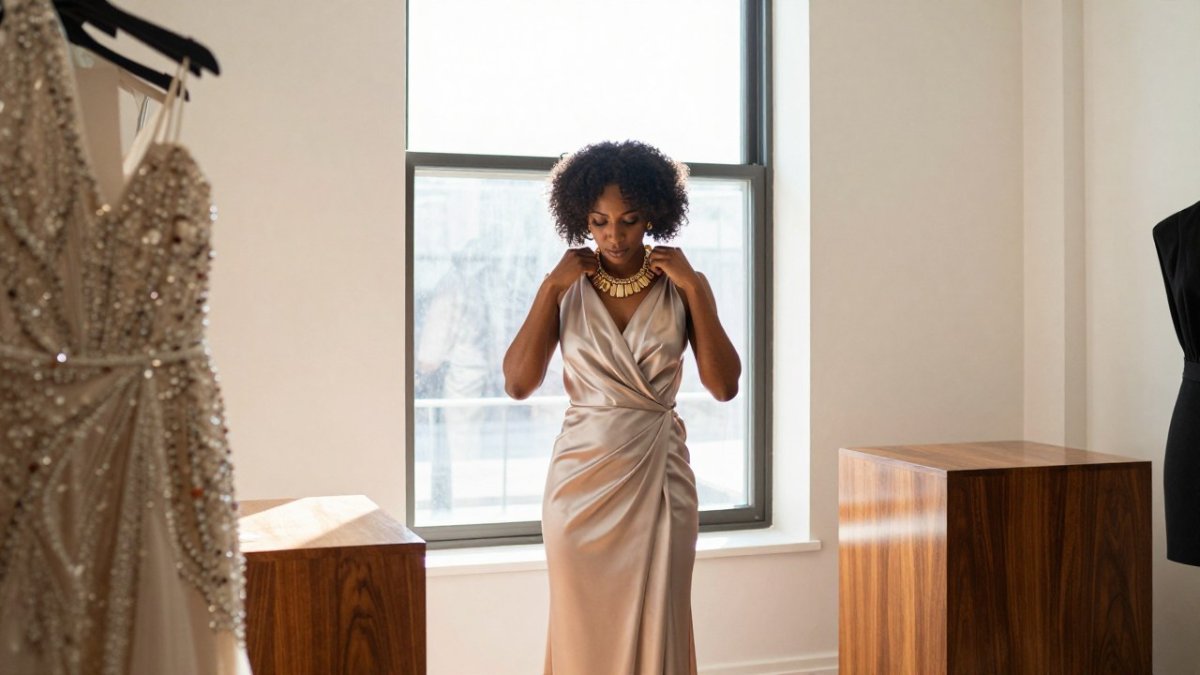
Statement accessories do much of the work here. A bold necklace or a set of earrings can turn a basic outfit into something intentional. That is one reason handcrafted jewelry pairs so well with streetwear: it adds personality without adding bulk.
Shea Marne Luxury Collection offers couture clothing and handcrafted statement jewelry for women seeking elegant, culturally inspired pieces. Consider how a piece fits into your existing wardrobe before you buy.
Black-Owned Streetwear Brands with Inclusive Sizing
Inclusive sizing is one of the clearest tests of a brand's commitment. Many labels cut only for a narrow range of body types. A brand that truly serves a wide range will publish size charts across many measurements and explain how its patterns were developed.
When comparing options, check the full size range, not just whether a plus size exists. Look for consistent grading, so a larger size keeps the same proportions as a smaller one. Customer reviews from shoppers with similar measurements are especially useful.
Shea Marne Luxury Collection offers inclusive sizing. Review the size information on its website, and reach out to the brand with your measurements if you are unsure which size fits.
Price-Point Guide and Styling Tips for Streetwear
Most "best of" lists mix $40 tees with $400 jackets and leave you to sort it out. This guide separates Black-owned streetwear into three practical price bands so you can decide where to spend and where to save. Treat the dollar ranges as shopping brackets, not brand promises, confirm current prices on each label's site, since drops and restocks move them.
Under $100: entry and everyday basics. This band is where heavyweight tees, logo hoodies, and relaxed joggers usually land. At this level, judge value by fabric weight and stitch density rather than by the logo. A 6.5-ounce to 7-ounce cotton tee with double-needle hems will outlast a thinner 5-ounce shirt that costs half as much. Look for brands that publish fabric weight and garment measurements on the product page; that transparency is a better signal than a sale banner.
$100 to $250: mid-tier construction and cut. Here you start paying for pattern work, boxy shoulders that actually sit right, French terry that holds its drape, and dye or wash treatments that do not fade after five cycles. This is the sweet spot for a single investment hoodie or a well-cut overshirt you will wear three seasons a year. Compare the size chart against a garment you already own, and check the return window before ordering, because fit is the main risk in this band.
$250 and up: statement and couture-adjacent pieces. At this level you are buying design, small-batch production, and often hand finishing, embroidered graphics, custom hardware, or handcrafted jewelry. Buy selectively. One standout piece that works with five outfits beats three mid-tier pieces that each work with one.
Watch out: A low price on a heavy-looking garment often means a thin poly blend that pills and stretches at the seams. Check the fabric content and weight before you check the price.
Styling formulas that work across price bands:
- The tailored anchor: Pair one structured element, a cropped blazer, a pressed wide-leg trouser, or a crisp overshirt, with an otherwise casual streetwear base. This is the fastest way to make an inexpensive tee read as intentional.
- The tight palette: Keep to two or three colors per outfit, and let texture (terry, denim, knit) do the visual work instead of loud prints.
- The single statement: Let one piece lead, a bold chain, a handcrafted earring stack, or a graphic jacket, and keep everything else quiet. This makes higher-priced pieces easier to justify because they carry multiple outfits.
- The proportion swap: If the top is oversized, keep the bottom fitted, and vice versa. Most fit complaints in streetwear come from stacking two oversized pieces without a break.
A simple cost-per-wear check helps here: divide the price by the number of times you realistically expect to wear the piece in a year. A $180 hoodie worn twice a week beats a $60 hoodie worn four times before it loses shape.
Start Shopping Shea Marne Luxury Collection's Black-Owned Pieces
If you want couture clothing and handcrafted statement jewelry from a Black-owned boutique built on inclusive sizing and purpose-driven values, Shea Marne Luxury Collection is a strong place to start. Browse the collection on the website to find pieces that fit your style and your budget.
Frequently Asked Questions
What streetwear brands are popular in 2026?
Streetwear in 2026 leans toward elevated basics, statement prints and sculptural silhouettes that move easily from street to evening. Shoppers are gravitating toward independent labels and direct-to-consumer brands that publish their production details. When comparing options, check fabric quality, fit guides and whether the brand offers a clear return policy before you buy. Popularity shifts quickly, so use the trend as a starting point and build around pieces you will wear repeatedly.
What are some popular Black-owned streetwear brands?
Black-owned streetwear brands span everything from minimalist everyday pieces to bold graphic collections and heritage-inspired statement looks. Many emerging designers sell through their own websites, which makes it easier to read about their brand ethos and sourcing. Look for brands that explain who makes their garments and how they are produced. Shea Marne Luxury Collection is one Black-owned option focused on couture clothing and handcrafted statement jewelry for women.
Which Black-owned streetwear brands are affordable?
Affordability depends on the piece, the fabric and how often a brand releases limited runs. Elevated basics such as tees, knit layers and accessories generally cost less than structured outerwear or couture-level pieces. Check current prices directly on each brand's website, because pricing changes by season and collection. Shea Marne Luxury Collection focuses on affordable luxury, so visit its site for current pricing and quotes.
How can I find Black-owned streetwear brands with inclusive sizing?
Start by reading size charts and checking whether a brand lists measurements in inches for each size, not just letter labels. Look for customer reviews from shoppers who wear your size, and note whether the brand offers extended sizing. Brands that describe their sizing approach in detail usually make fit easier to predict. Shea Marne Luxury Collection offers inclusive sizing, so review the sizing information on the website before ordering.