 listicle
Sustainable Fashion Brands for Distinctive Clothing in 2026
Last Updated: November 10, 2026
Quick Summary
Sustainable fashion is clothing designed and produced to minimize environmental and social harm, from fiber sourcing through manufacturing and end-of-life. The best sustainable fashion brands for distinctive clothing design around a signature aesthetic, treat construction as a longevity decision, and publish enough detail about materials and labor for you to check their claims.
- Vague terms like eco-friendly mean little; credible brands name the material, factory, or certification.
- A price that undercuts every comparable brand by a wide margin is a signal, not a bargain.
- Check whether a brand repeats its core pieces season after season or retires them.
- Compare the size chart to your measurements, not to your usual size, before buying.
- Cost per wear is the price of a garment divided by the number of times you actually wear it.
Table of Contents
- What Makes Sustainable Fashion Brands for Distinctive Clothing Different
- How to Verify the Evidence Behind Sustainability Claims
- Ethical Clothing Brands That Are Affordable: What to Expect
- Women's Sustainable Fashion Brands Organized by Aesthetic
- Trendy Sustainable Clothing Brands Without the Fast-Fashion Cycle
- How to Express Individuality Through Fashion With Ethical Pieces
- Cost Per Wear, Longevity, and End-of-Life: The Real Value Test
- Building a Wardrobe That Reflects Your Values and Style
- Frequently Asked Questions
What Makes Sustainable Fashion Brands for Distinctive Clothing Different
Sustainable fashion is clothing designed and produced to minimize environmental and social harm, from fiber sourcing through manufacturing and end-of-life. What separates sustainable fashion brands for distinctive clothing from generic eco-labels is a different starting point: design comes first, and sustainability is built around it rather than bolted on as a marketing layer.
Three things set these labels apart. They design around a signature aesthetic instead of chasing seasonal trends. They treat garment construction as a longevity decision, not a cost line. And they publish enough detail about materials and labor for a shopper to check the claims. The Federal Trade Commission's Green Guides set the standard for how environmental marketing claims must be worded, which gives you a baseline for spotting vague language.
Below, we'll show you how to separate real substance from recycled marketing copy, and which brands are worth your money.
How to Verify the Evidence Behind Sustainability Claims
Verification starts with asking what a claim actually covers. "Eco-friendly" and "green" are vague enough to mean almost nothing, and the FTC has pushed back on marketers who use them without specifics. A credible brand names the material, the factory, or the certification, and lets you trace it.
Here's what to look for, in order of reliability:
- Certifications with public databases. Organic cotton, recycled fiber content, and fair labor standards each have independent certifiers you can search by brand name.
- Named suppliers. A brand that lists its mills or factories is inviting scrutiny. One that says "our trusted partners" is not.
- Specific fiber percentages. "Made with organic cotton" could mean a trace amount. "95% organic cotton, 5% elastane" is a checkable statement.
- Published wage and audit information. Fair wages and ethical manufacturing claims should point to a third-party audit, not a brand's own assurance.
If you want a deeper walkthrough of vetting a label before checkout, our guide on how to verify ethical fashion brands before you buy covers the full checklist.
Ethical Clothing Brands That Are Affordable: What to Expect
Affordable and ethical rarely mean cheap, and the honest version of this section is about where the money actually goes. Lower prices usually come from volume, and volume is where supply-chain transparency tends to collapse. So instead of asking whether a brand is affordable, ask what it cut to get there.
The four levers behind an ethical price. Most independent labels hold prices down through one or more of these, and each has a visible tell on the product page:
- Direct-to-consumer selling. Skipping wholesale and retail markup can remove a large share of the shelf price. The tell: the brand sells only through its own site and has no department-store presence.
- Small-batch production. Short runs reduce unsold inventory and markdown waste, but they also raise the per-unit cost. The tell: limited colorways, restocks rather than continuous stock, and made-to-order windows.
- Simpler construction. Fewer seams, unlined bodies, and standard closures cost less to sew. The tell: a garment that looks clean but has no lining, no interfacing detail, and a basic seam finish.
- Lower-margin materials. A recycled-polyester blend costs less than a certified organic natural fiber. The tell: the fiber percentage line on the care label, which is the single most checkable number on any product page.
What budget-friendly ethical clothing realistically looks like. Expect a narrower range, smaller production runs, and fewer markdowns. You will see fewer colorways and more pieces that carry across seasons.
Where the savings stop being ethical. A price that undercuts every comparable brand by a wide margin is a signal, not a bargain. Responsibly made natural-fiber garments generally cost more than fast-fashion pricing, because fiber, labor, and certification costs do not compress indefinitely.
How to compare without a single price list. Because prices shift by material, production run, and season, check each brand's site for current prices rather than assuming a range. If you are planning a work wardrobe, our affordable luxury workwear capsule guide maps out what to buy first and in what order.
Watch out: a brand that advertises "affordable sustainability" while refusing to name its factories may be cutting the cost you cannot see, labor transparency.
Women's Sustainable Fashion Brands Organized by Aesthetic
Sorting sustainable clothing by aesthetic is more useful than sorting by certification, because you actually wear the design. Here's how the landscape breaks down for women's sustainable fashion brands.
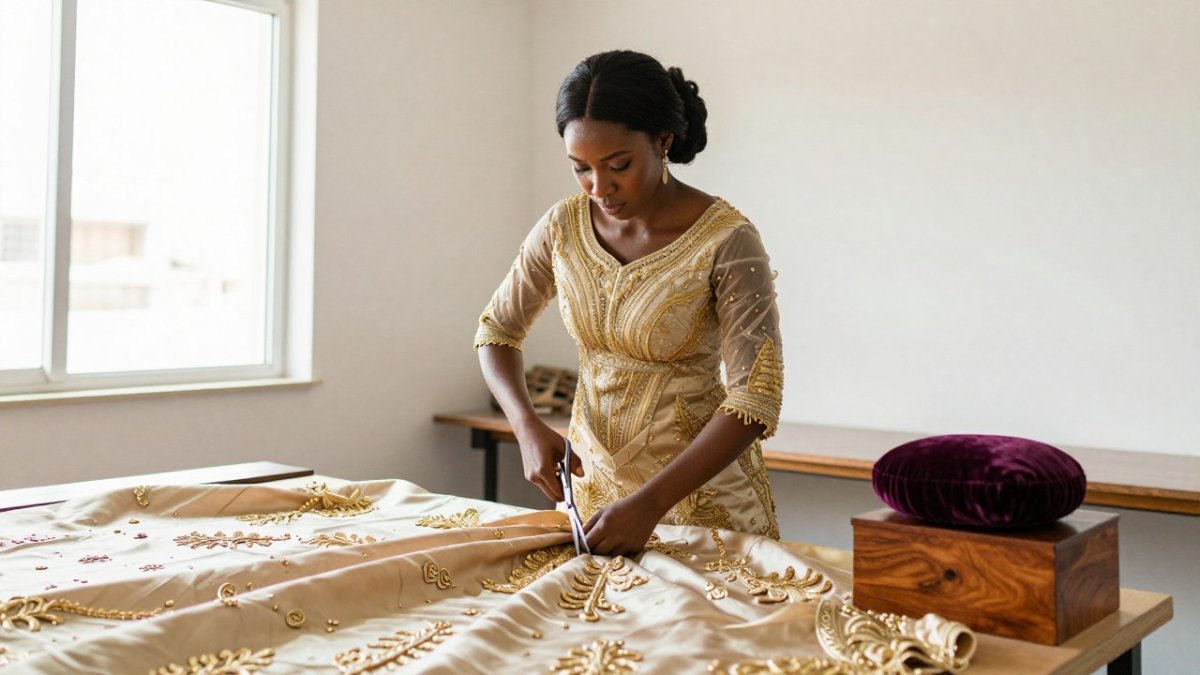
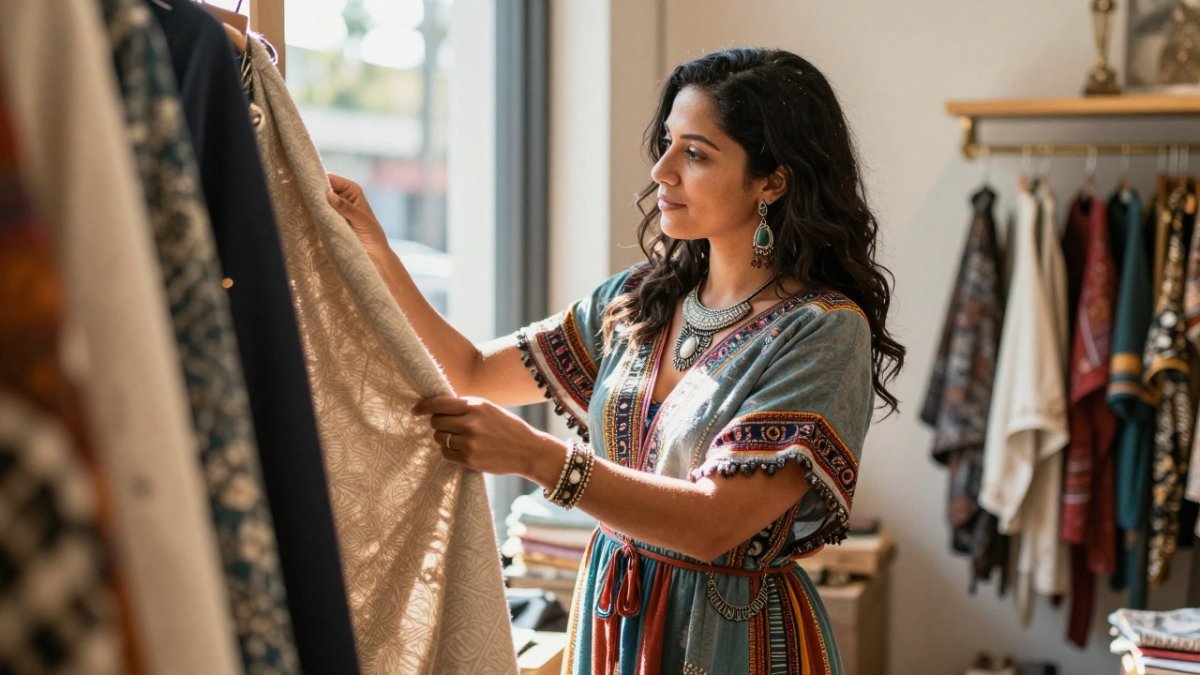
Culturally inspired and occasion-driven. Labels built around heritage textiles, handwork, and statement silhouettes can suit weddings, milestone events, and ceremonial wear.
Minimal and architectural. Clean lines, neutral palettes, and durable construction. These brands excel at wardrobe staples and everyday wardrobe pieces that survive repeated washing.
Romantic and textural. Natural fibers, soft draping, and detail work. Animal welfare and low-impact materials matter most here, so check fiber sourcing closely.
Trendy Sustainable Clothing Brands Without the Fast-Fashion Cycle
"Trendy" and "sustainable" pull in opposite directions, and most brands resolve the tension badly by releasing drops on a fast-fashion schedule with better fabric. The better approach is a timeless style built on a stable core collection, refreshed slowly.
Ask three questions before buying into a trendy label:
- Does the brand repeat its core pieces season after season, or retire them?
- Are new arrivals tied to a real production limit, or restocked constantly?
- Does the design work with what you already own?
A brand that answers all three well is selling style, not churn. That's the difference between circular fashion as a genuine model and circular fashion as a slogan.
How to Express Individuality Through Fashion With Ethical Pieces
Individuality comes from combination, not from novelty. The most distinctive wardrobes we see are built from a small number of strong pieces mixed with plain ones, which is also the most sustainable way to dress.
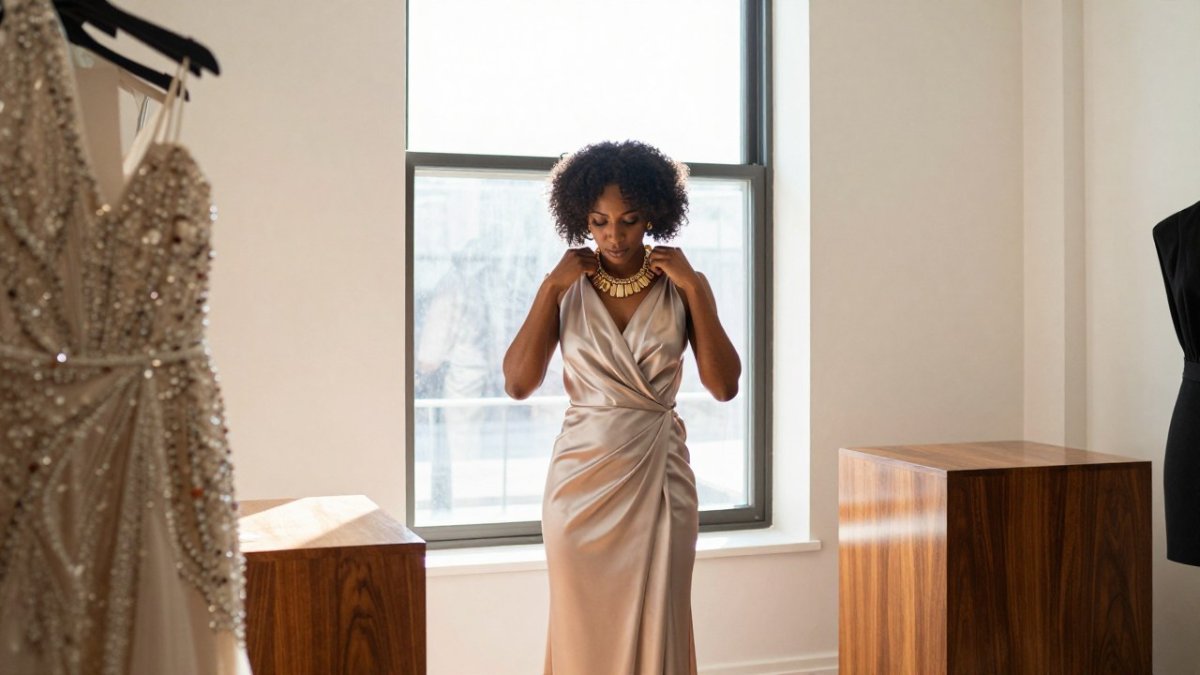
Start with one signature element. A handcrafted statement necklace, a printed dress, a structured jacket. Build the rest of the outfit from neutral, well-made basics so the signature piece carries the look.
Fit is the gatekeeper of distinctive style. A distinctive piece that does not fit your body reads as a costume, not personal style. Before you fall for a silhouette, run three checks:
- Compare the size chart to your measurements, not to your usual size. Sustainable labels often run on their own blocks, and a size medium from one brand can match a large from another. Measure your bust, waist, and hip and match those numbers to the chart.
- Read the construction notes for stretch and ease. A garment with no elastane and a close cut has almost no forgiveness; one described as "relaxed" or "oversized" is more forgiving across sizes. The fiber line tells you which you are buying.
- Look for brands that publish fit guidance by body type or model measurements. A product page that lists the model's height and the size worn is a practical fit signal; one that shows only a single size-zero model is not.
Inclusive sizing is a sustainability issue, not a separate one. A garment that does not fit is returned, resold, or unworn, and unworn clothing is the least sustainable outcome possible, regardless of fiber.
If you want more on building a look without overspending, our article on expressing individuality through fashion without overspending goes further.
Watch out: buying a distinctive piece in a size that "almost" fits is the most common way a sustainable purchase becomes an unworn one, check the return policy and the size chart before checkout, not after.
Cost Per Wear, Longevity, and End-of-Life: The Real Value Test
Cost per wear is the price of a garment divided by the number of times you actually wear it. A piece worn weekly for years beats a cheaper piece worn twice, and the math gets sharper as construction quality rises.
Run the test on any purchase:
| Question | What to check | Why it matters |
|---|---|---|
| How many wears per year? | Your real calendar, not aspiration | Sets the denominator |
| Will it survive 30+ washes? | Seam type, fabric weight, care label | Durable construction extends life |
| Can it be repaired? | Extra buttons, accessible seams, brand repair service | Repair and reuse beat replacement |
| What happens at end of life? | Take-back programs, resale value, fiber recyclability | Circular fashion options |
| Does it fit now? | Measurements against size chart | Poor fit kills wear count |
Garment longevity is where sustainable and affordable luxury converge. A well-made piece that fits and can be repaired earns its price. A trend piece that pills after a season never does. For a closer look at what signals real value, read our breakdown of signs affordable luxury fashion is worth your money.
Building a Wardrobe That Reflects Your Values and Style
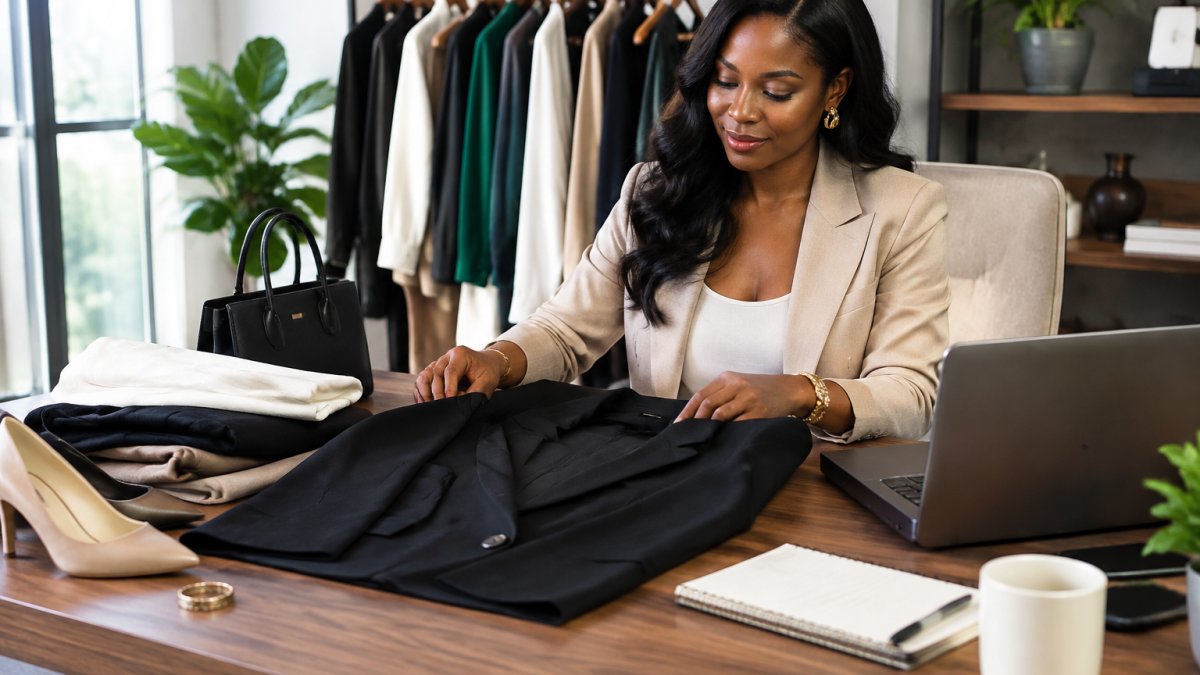
A values-driven wardrobe is a system, not a shopping spree. Build it in layers: a foundation of durable basics, a middle layer of versatile pieces that work across settings, and a top layer of distinctive items that express who you are.
Shop by values and filter by size and price rather than browsing by trend. Supporting Black-owned fashion brands and purpose-driven labels is part of that picture, and our shopper's guide to supporting Black-owned fashion brands explains how to do it deliberately.
Watch out: buying a full capsule at once usually produces a wardrobe that fits your plan, not your life. Add pieces one at a time and wear each one before the next purchase.
The hard part isn't finding sustainable clothing. It's finding pieces distinctive enough to wear for years and honest enough to trust.
Frequently Asked Questions
How can I find sustainable fashion that reflects my personal style?
Start by identifying the aesthetics you return to most, such as tailored minimalism, cultural prints, or soft romantic silhouettes, then filter brands by that style rather than by trend. Check whether a label offers inclusive sizing and made-to-order options so the fit matches your body. Look for certifications like GOTS for organic cotton or Fair Trade Certified sewn products, and read the brand's supply-chain transparency page. A label that publishes factory names and material sourcing is easier to trust than one that only uses green imagery.
Are there affordable sustainable fashion brands with distinctive designs?
Yes, but affordable is relative. Many ethical clothing brands that are affordable keep prices down through small-batch production, direct-to-consumer sales, and simpler packaging rather than through lower labor costs. Expect to pay more than fast fashion per piece, then divide that price by the number of wears. A $120 dress worn 40 times costs $3 per wear, which often beats a $30 dress worn five times. Ask brands about made-to-order timelines and return policies before committing.
What should I look for when choosing an ethical fashion brand?
Check four things: material sourcing, labor standards, sizing range, and end-of-life options. Look for certified organic or recycled fibers, fair wage commitments, and third-party audits rather than self-reported claims. Review the size chart and customer reviews from women with similar measurements. Ask whether the brand offers repair services or take-back programs. Transparency matters most: a brand that openly discusses its trade-offs and limitations is usually more credible than one that claims perfection.
How can I make a sustainable wardrobe feel less generic?
Build around a few statement pieces rather than filling your closet with basics. Choose one hero garment, such as a handcrafted jacket or culturally inspired dress, and pair it with pieces you already own. Mix textures like linen, silk, and organic cotton to add visual interest. Use handcrafted jewelry to shift the same outfit from work to evening. Shopping small-batch and artisan labels also reduces the chance of wearing the same mass-produced piece as everyone else.